Structural Roof Work Across East London, North London and Essex
Rafters, purlins, ridge boards and wall plates — the timbers that actually hold a roof up. FNB Roofing And Building diagnoses and repairs structural roof failure on Victorian terraces through to modern builds.
STRUCTURAL ROOF REPAIRS — EAST LONDON SPECIALISTS
The structure under the covering.
The visible part of a roof is the easy part to assess. The structural timbers underneath — rafters, purlins, ridge boards, wall plates, ceiling joists and collar ties — are what actually hold the covering up, and a roof can look acceptable from the street while developing serious problems in the loft space above. FNB Roofing And Building carries out structural roof repairs and reinforcement across East London, North London and Essex, on properties ranging from Victorian terraces with original timber roof structures through to post-war housing and modern builds.
WARNING SIGNS
When Structural Roof Work is Needed
Structural intervention becomes necessary when the timbers supporting the roof covering have begun to fail. The following indicators commonly point to a roof that should be inspected.
Signs of structural movement on a roof
- A visibly sagging ridge line when viewed from the street
- Roof slopes that bow inward between rafters
- Cracking or splitting visible in rafters or purlins from inside the loft
- Wall plate decay where the rafter foot meets the masonry
- Evidence of woodworm or wet rot in roof timbers
- Movement at the head of internal walls supporting a purlin
- Doors and windows sticking on the top floor of the property
- A roof that has been altered — loft conversion, chimney removal — without proper structural compensation
Where these are present, the covering itself is rarely the priority. The structure beneath has to be made sound first.

WHAT WE CARRY OUT
Structural Roof Repairs We Carry Out
Each intervention is selected to address the underlying cause of movement, not just the visible symptom.

Rafter Replacement & Reinforcement
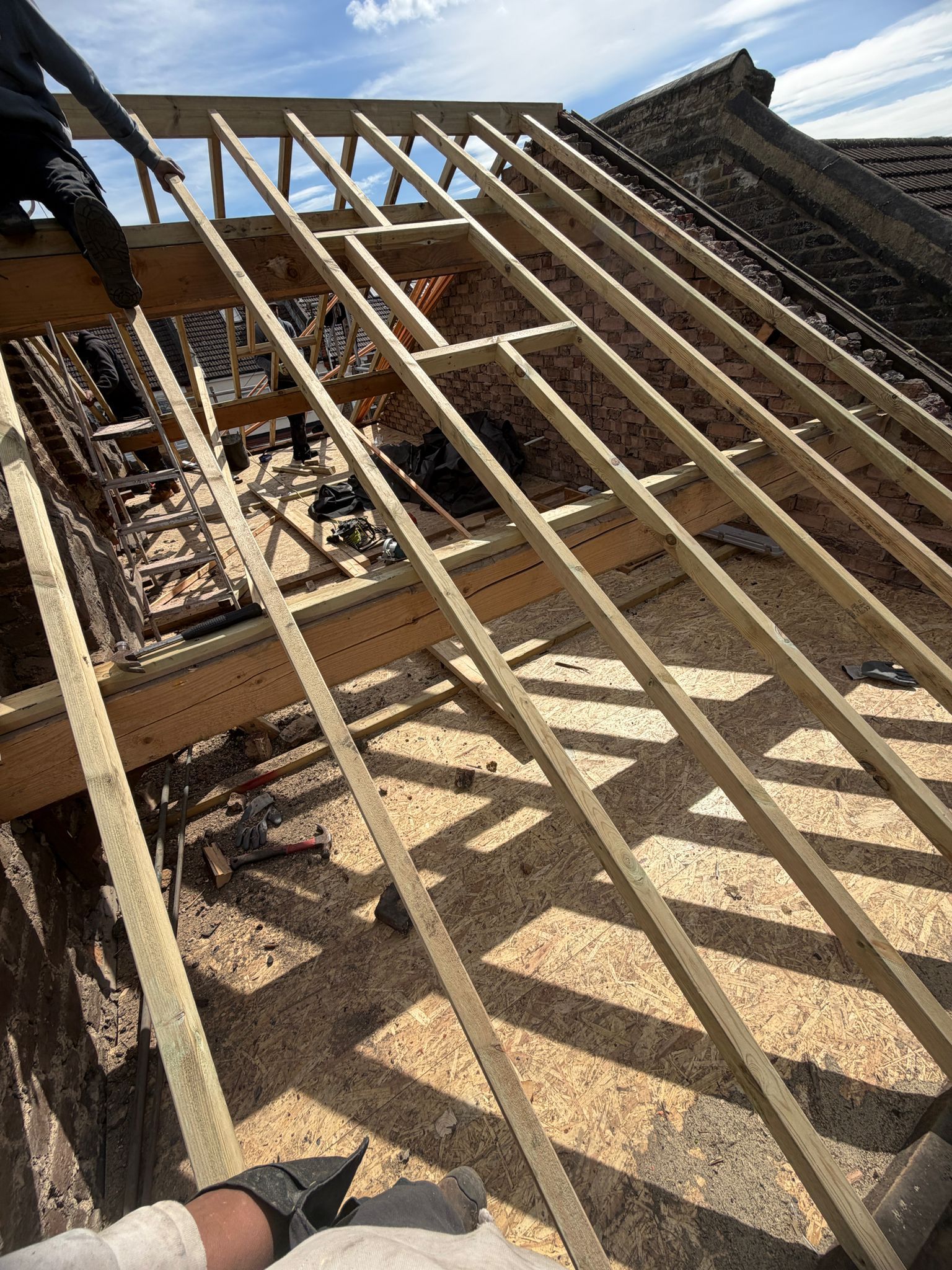
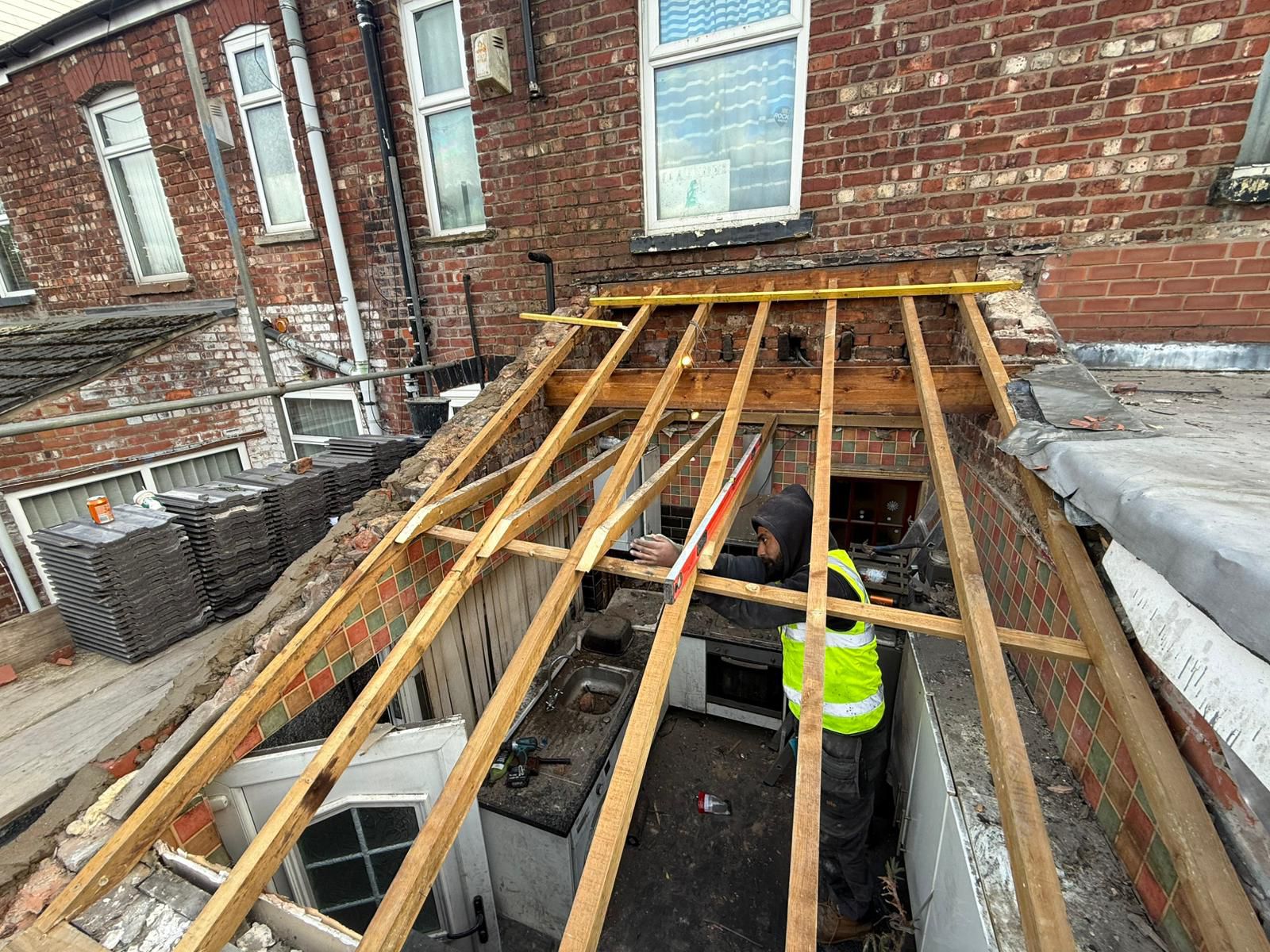
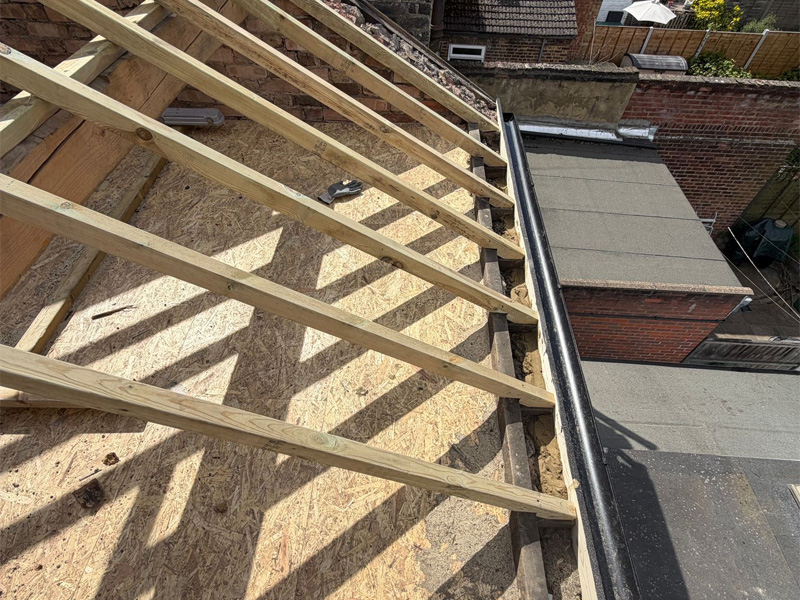
Individual decayed rafters are replaced or strengthened with sister rafters fixed alongside the originals. Where multiple rafters have failed, full rafter replacement is the more economical route.
Purlin Repairs & Replacement
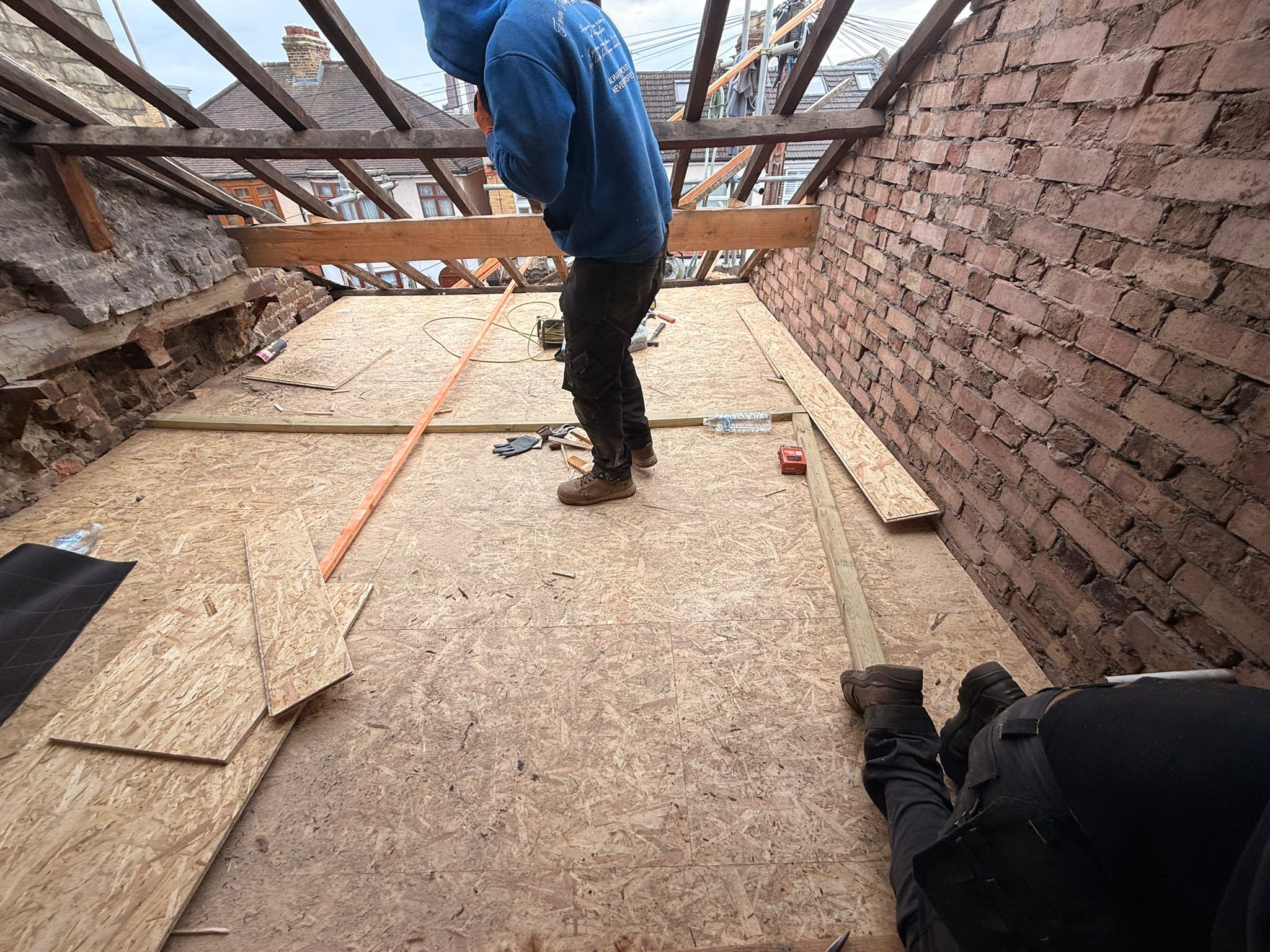
Purlins carry the mid-span load on traditional cut-roof structures, and a sagging purlin pulls the entire roof slope down with it. Where a purlin has split, decayed or been undersized for the span, replacement is carried out alongside any additional supporting struts back to load-bearing walls below.
Ridge Board Repairs
A sagging or split ridge board is usually a sign of broader structural movement, often combined with inadequate or missing collar ties. The ridge is jacked and supported, the ridge board is replaced or reinforced, and collar ties are added or restored to prevent recurrence.

Collar Tie & Rafter Tie Installation
A surprising proportion of older roof structures in the area were built without adequate ties between opposing rafters, or had ties removed during loft alterations. Reinstating these is often the single most effective intervention on a sagging roof.
Wall Plate Renewal
Rafter feet rotting at the wall plate is a common Victorian-property issue, particularly where guttering has historically overflowed. Renewal involves temporary support of the roof slope, removal of the decayed timber and installation of a new pressure-treated wall plate.

Loft Conversion Structural Work
Where a loft conversion has been carried out without proper structural design and movement is now apparent, we work alongside structural engineers to specify and install the corrective steelwork or timber reinforcement required.
ROOT-CAUSE DIAGNOSIS
Common Causes of Structural Roof Failure
In older properties in particular, structural failure rarely has a single cause. The most frequent contributing factors come together to weaken what was originally a sound timber structure.
- Long-term water ingress causing rot in rafter feet, purlins and wall plates
- Undersized original timbers, common in pre-war housing
- Removal of internal walls that previously braced a purlin
- Alteration of chimney breasts without consideration of the structural role played by the stack
- Inadequate or missing collar and rafter ties
- Wood-boring insect damage in unprotected timbers
- Excessive load from heavy concrete tiles fitted as a replacement for original slate
ENGINEERED WHERE REQUIRED
Working With Structural Engineers
Where the scope of work requires it, we engage directly with structural engineers and provide the trade input on specifications and buildability. Written reports on existing structural conditions are also supplied for use in insurer or surveyor review — providing clear documentation when an insurance claim or building control sign-off is part of the picture.
How a Typical Structural Roof Project is Delivered
Structural roof projects follow a clear four-stage process, with engineer sign-off built in at the relevant stages so nothing is buried or rushed.
01
Inspection and Diagnosis
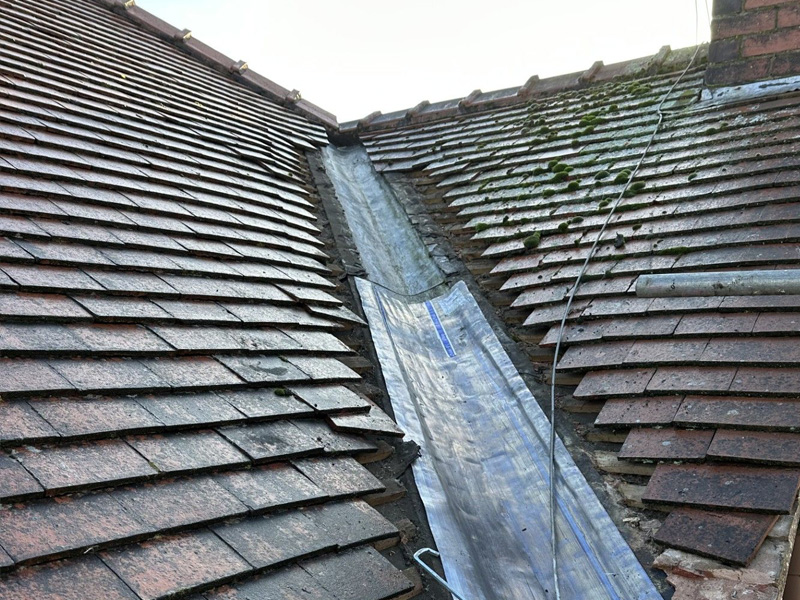
A full inspection is carried out from inside the loft space and externally. Photographic evidence and measurements are taken, and the underlying cause of any visible failure is identified.
02
Specification and Quotation
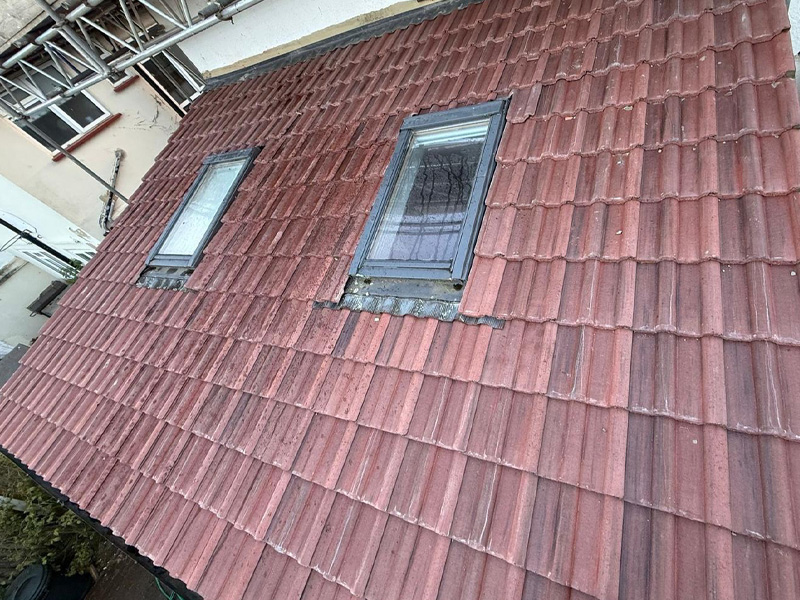
Where engineering input is needed, this is arranged. A written quotation is then issued covering all materials, temporary support, structural timbers and any associated re-roofing.
03
Programmed Works
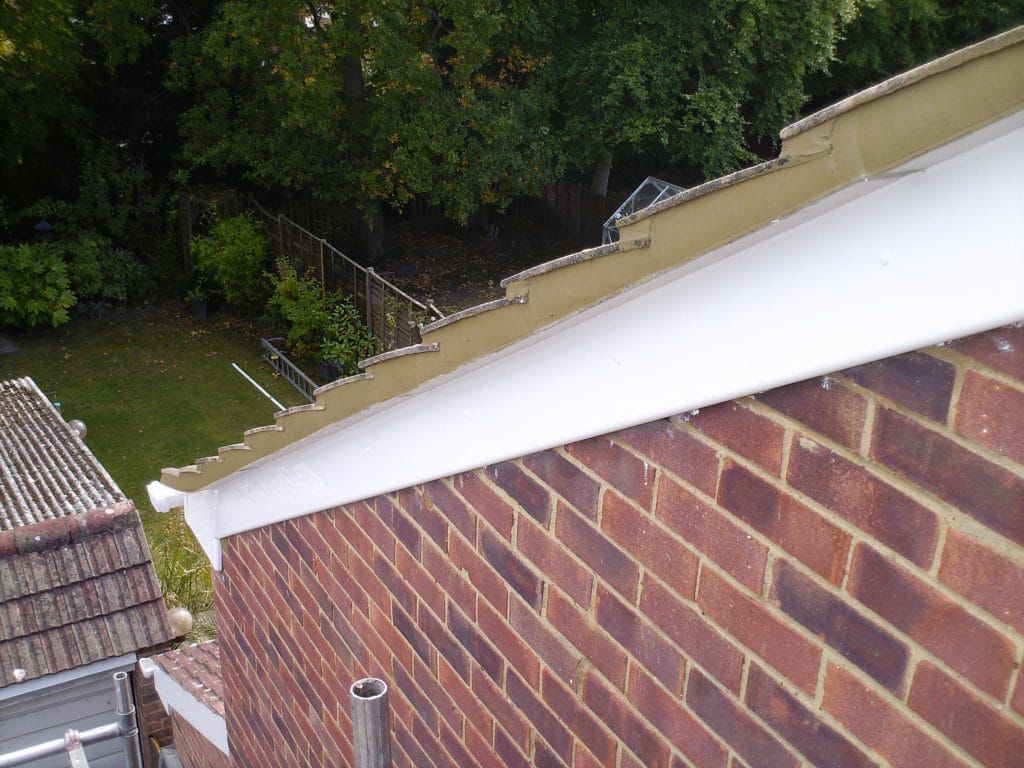
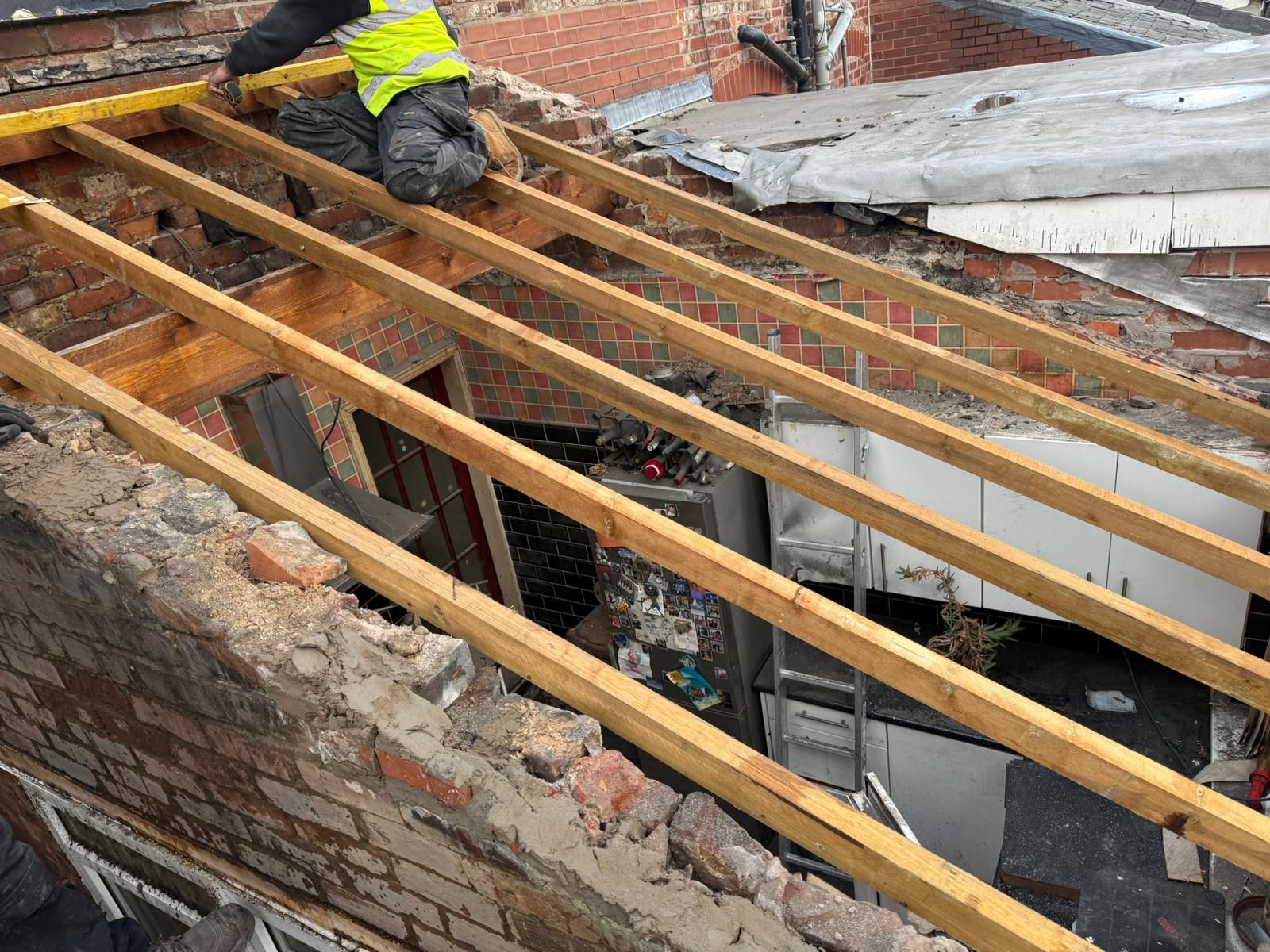
Works are scheduled to allow for any required engineer sign-off at the relevant stages. Temporary support, strip-back, structural repair and reinstatement of the covering are then carried out in sequence by our own tradesmen.
04
Sign-Off and Guarantee
A final inspection is carried out with the client. Workmanship is guaranteed in writing, and where engineer-signed structural elements are involved, the relevant documentation is supplied for the property file.
£1m public liability insured
Full cover for the property, our workforce and any third parties present during the structural works.

Engineer-coordinated
We work directly with structural engineers where the project requires it — and supply the trade input on buildability.
Local — not a subcontractor
Operating from Walthamstow with a long trading history. The team you meet is the team that delivers the work.
Areas We Cover for Structural Roof Work
Structural roof repairs are carried out across East London, North London and Essex, including Waltham Forest, Hackney, Haringey, Redbridge, Newham, Islington, Enfield and the surrounding boroughs, alongside postcodes throughout the E, N, IG and RM regions.
E1-E18
N1-N22
IG & RM
Frequently asked questions about Structural Roof Work
Common questions about diagnosing structural roof failure, working alongside engineers, and what to expect during the works.
How can I tell if my roof has a structural problem rather than just a leak?
A sagging ridge line visible from the street, roof slopes that bow between rafters, doors and windows that have started sticking on the top floor, or cracking in the loft timbers are all signs that the structure itself is moving — not just the covering. A loft inspection is the quickest way to confirm what is happening. If you’re seeing internal damp in the absence of any of these, it’s more likely a covering issue than a structural one.
Do I need a structural engineer's report before any work starts?
Not always. Many sagging-ridge and collar-tie issues can be addressed without formal engineering input. Where the scope is larger — for example loft conversion remediation, purlin replacement at long spans, or anything that affects load paths — we engage an engineer and provide the trade-side input on the specification. We’ll tell you upfront whether your project needs that step.
Will you provide a report I can use for an insurance claim?
Yes. Written reports on the existing structural condition, supported by photographic evidence and measurements, are supplied for use in insurer or surveyor review. We’re experienced in working alongside loss adjusters and managing agents.
Are you insured for structural work specifically?
Every project — including structural roof repairs — is backed by £1 million of public liability insurance as standard.
Can the roof covering be reused after structural repair?
In many cases, yes. Original slates and clay tiles in serviceable condition are stripped, set aside and re-laid once the structural work is complete. Where the original covering is past its useful life, replacement is discussed with you at the quotation stage rather than discovered mid-project.
How long does a typical structural roof repair take?
It varies considerably by scope. A localised intervention — sister rafters, collar tie reinstatement, a wall plate section — can often be completed within a few days. Full purlin or rafter replacement with engineer sign-off and re-covering generally runs to two to four weeks. The written quotation includes a projected programme.
Request a Structural Roof Inspection
If a sagging ridge, bowing slope or other sign of structural movement is showing on your property, contact us for a free site visit and written estimate. We’ll diagnose the underlying cause, set out the corrective work needed, and arrange engineer input where the scope requires it.
