SPECIALIST LEAD WORK

Specialist Lead Work & Lead Flashing

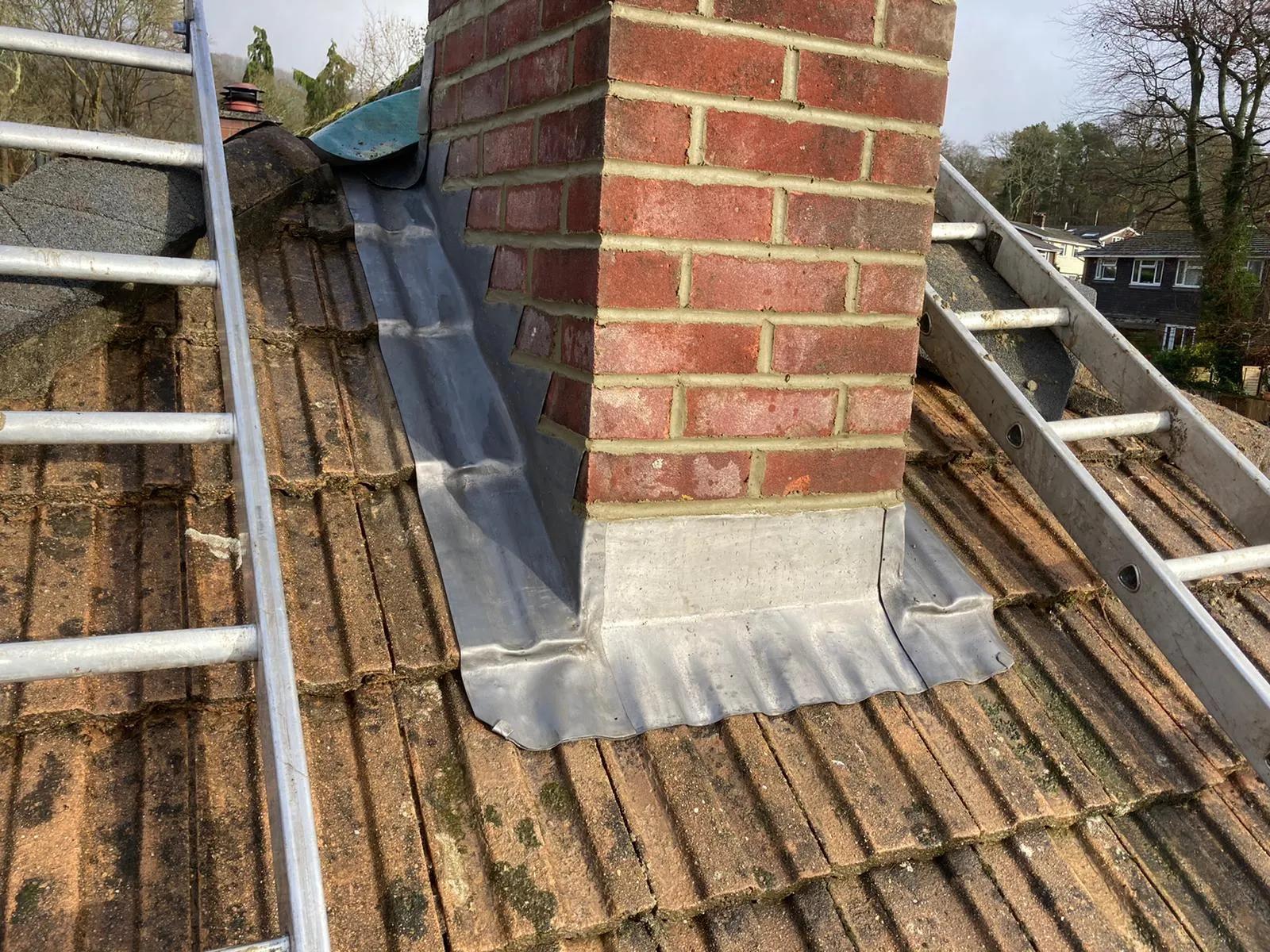
Chimney Lead Flashing

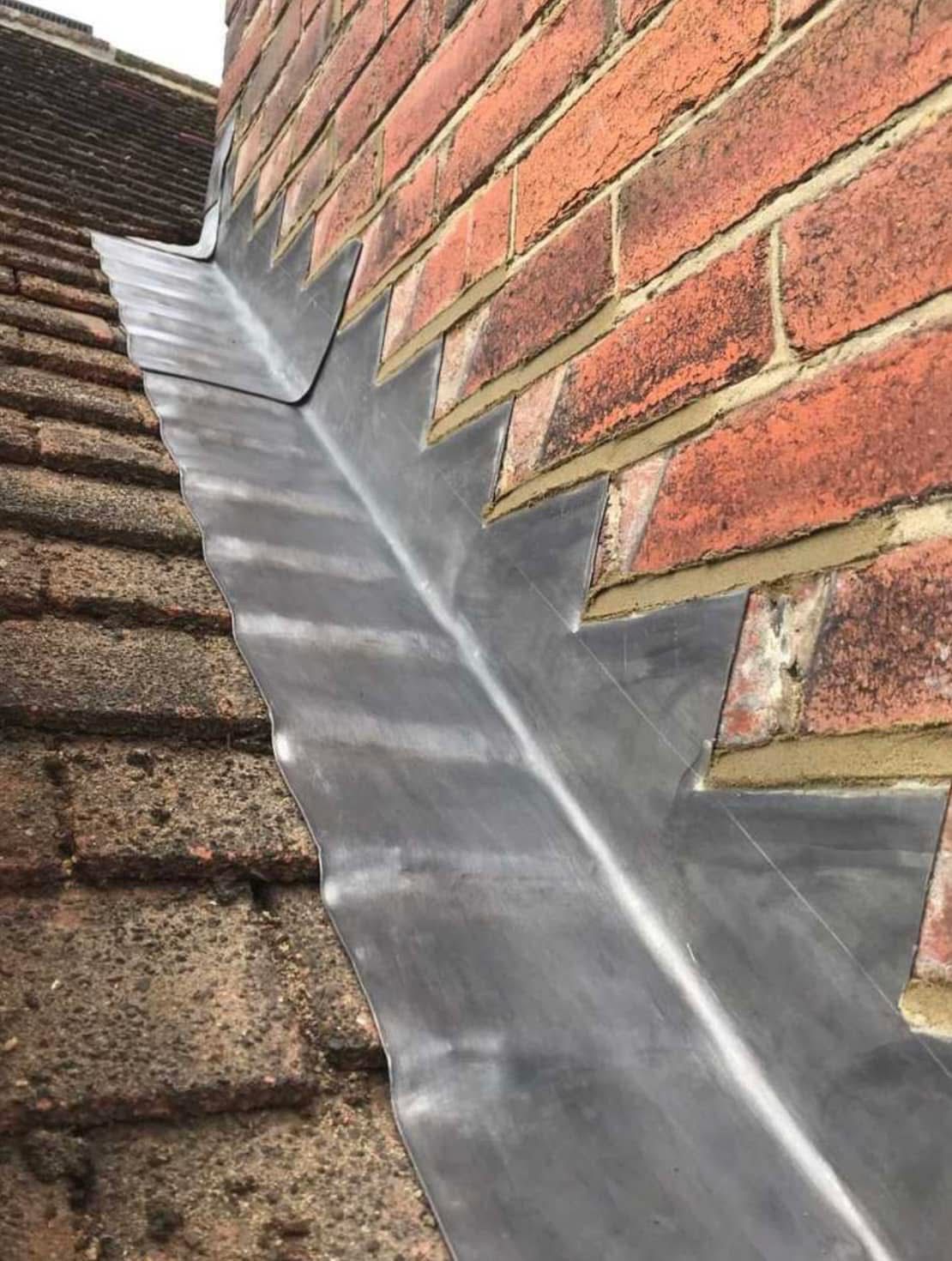
Front aprons, side step flashings and back gutters dressed correctly into the mortar joints rather than relied on at adhesive or mastic. Code 4 and Code 5 lead is used as standard, with Code 7 specified where back gutters carry larger volumes of water.

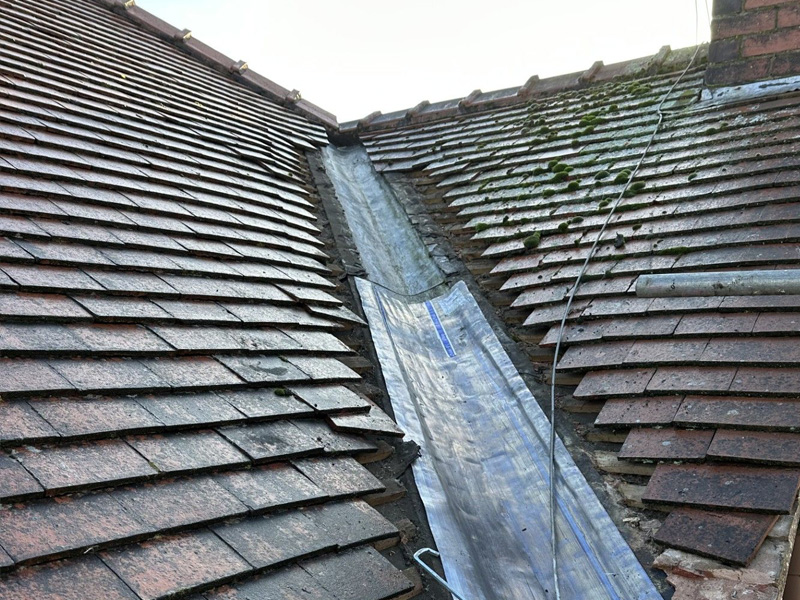
Lead Valleys

Open lead valleys collect a disproportionate volume of rainwater on pitched roofs and are typically the first part of a covering to fail. Renewal is carried out with proper upstand detailing, drip discharge over the gutter line and full timber boarding underneath.

Lead Soakers

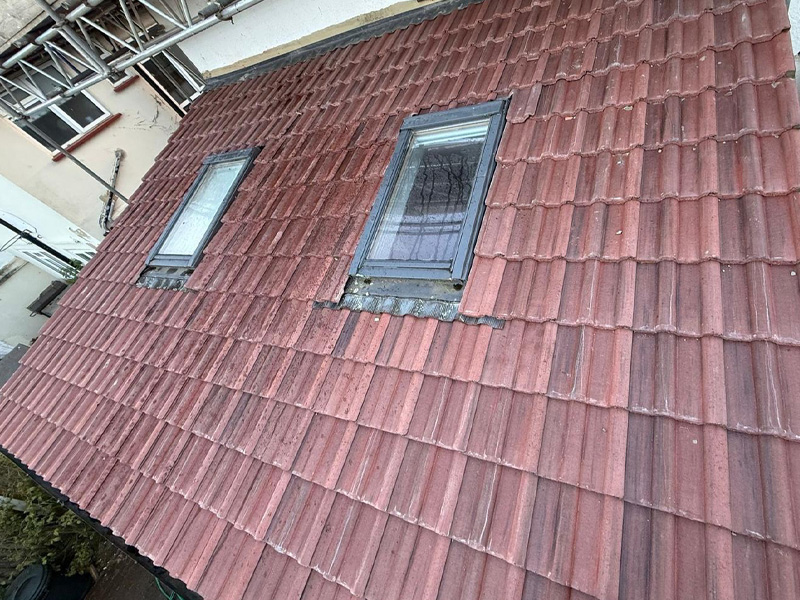
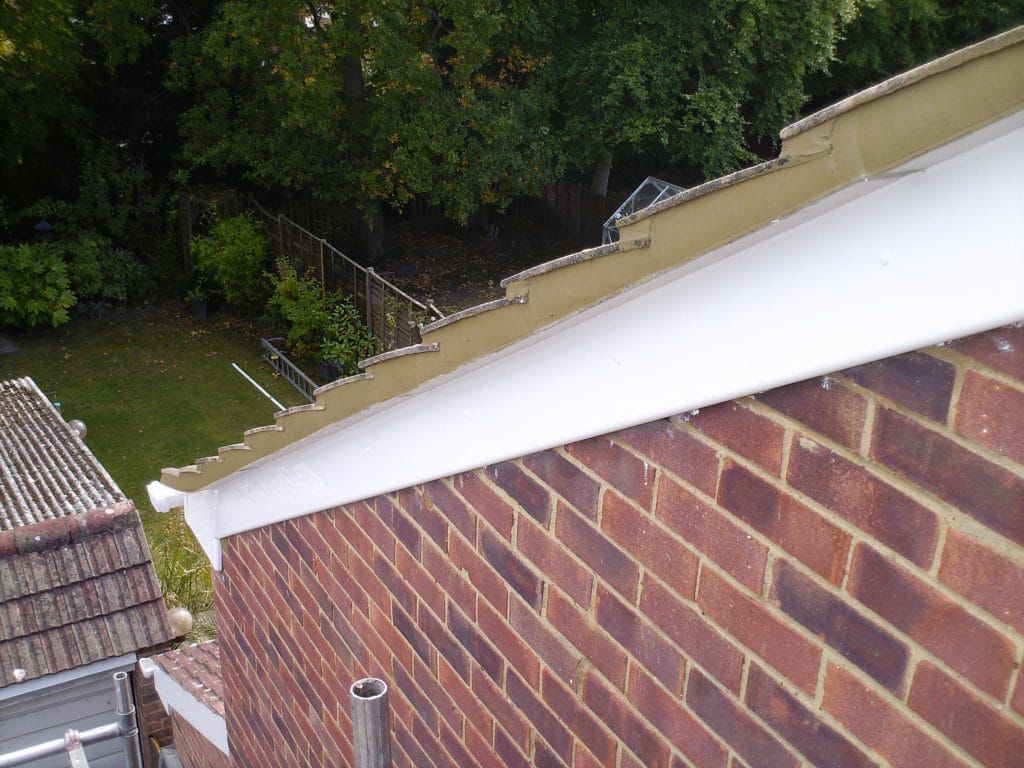
Stepped abutments where a roof meets a wall require individual lead soakers slotted between tile or slate courses, weatherproofed with stepped flashing — the detail most often skipped by less specialist contractors.

Lead Aprons & Box Gutters

Where lead is used as flat covering — between two pitched roofs, around dormer cheeks or as a parapet gutter — proper bay sizing, expansion joints and welded detail are essential for long service life.

Lead Welding & Bossing

Complex corners, internal angles and bespoke detailing handled using traditional lead welding and bossing — producing a seamless, monolithic finish reliable for decades.

Patination Oil Application

All new lead is treated with patination oil on completion, preventing the white carbonate staining that otherwise runs down onto adjacent tiles, brickwork or rendered surfaces in the months after installation.

Lead Theft Replacement

Lead remains a target for opportunistic theft, particularly on single-storey extensions and porch roofs. Replacement is carried out promptly, with anti-theft marking or non-lead substitute specified where a property is repeatedly targeted.

BS 6915 Compliance

All installations conform to British Standard BS 6915 for lead sheet roofing and cladding — the recognised industry benchmark for service life, bay sizing, fixing methods and expansion allowance.

Code 3
Soakers and light internal use
Code 4
Most flashings and aprons on domestic pitched roofs
Code 5
Heavier flashings, valleys and exposed abutments
Code 6
Chimney back gutters and small flat areas
Code 7
Larger flat roof areas, parapet gutters, welded bay work
Code 8
Heaviest applications — commercial and heritage work


5-Star Reviewed
Google & Trustatrader


£1m Public Liability
Insured as standard


BS 6915 Compliant
Lead sheet best practice


Walthamstow Based
Local, not subcontracted
E1–E18 East London
N1–N22 North London
IG Ilford
RM Romford
Walthamstow E17
Hackney E8
Haringey N8
Islington N1
Enfield EN
Redbridge IG

What lead code should be used for chimney flashings?

Code 4 is used as standard for most domestic chimney flashings, with Code 5 specified for heavier flashings or more exposed positions. Back gutters carrying larger volumes of water typically require Code 6 or Code 7. The correct code depends on the application, exposure and bay size — specifying too thin a code is one of the most common causes of premature lead failure.

How long should properly installed lead flashing last?

Lead is the most durable flashing material available — service life on correctly dressed lead detailing is routinely measured in decades, often outlasting the surrounding tiles or slates. Most premature failures we see are the result of oversized bays cracking from thermal movement, missing expansion joints, or mastic substituted for proper dressing.

What is patination oil and why is it applied?

Patination oil is applied to new lead on completion to prevent the white carbonate staining that otherwise forms in the months after installation. Without it, run-off can streak onto adjacent tiles, brickwork or render. Application is standard practice on every lead detail we install.

Can stolen lead be replaced with a non-lead substitute?

Yes — where a property is repeatedly targeted, lead-substitute materials such as Ubiflex or Code-Lead can be specified instead of traditional rolled lead. We can advise on suitability case by case, as the substitute material is not appropriate for every detail.

Do you handle insurance claims for storm-damaged lead?

Yes — we provide photographic surveys and itemised reports suitable for insurer review, and liaise directly with assessors where this assists in moving the claim forward.

Is the lead work subcontracted?

No. Lead work is delivered by our own specialist team rather than subcontracted, which keeps the workmanship standard consistent and removes any dispute over responsibility if a detail needs revisiting.

Are quotes for lead work free?

Yes — site visits and written quotations are free, with no obligation to proceed. Most lead work projects can be priced within a few working days of initial contact.

Contact Us
FNB Roofing And Building