Chimney Repointing
Renewal of failed mortar joints using sand and cement or lime mortar depending on the age and original specification of the property. Typically required every 20 to 30 years — sooner on exposed elevations.
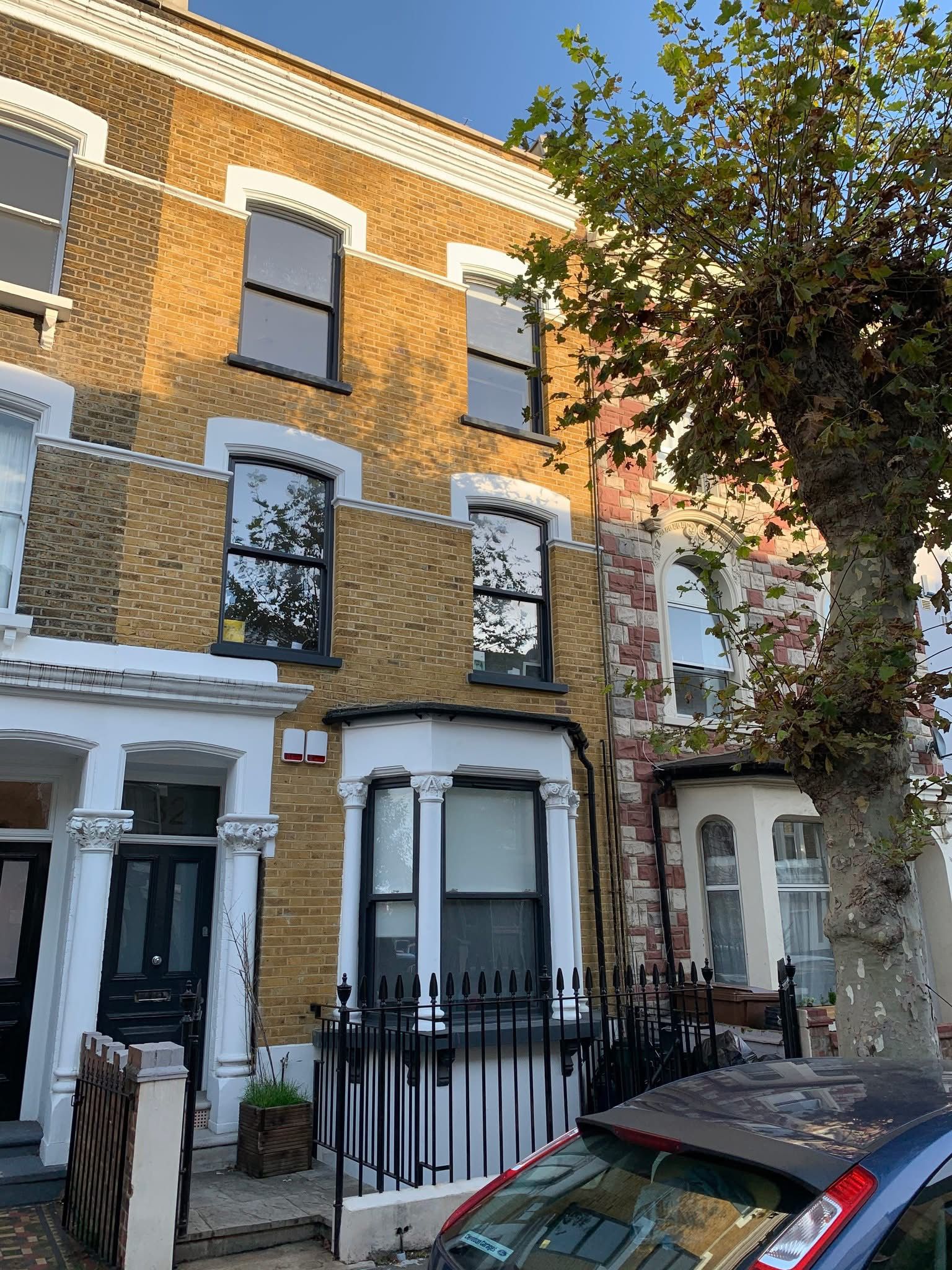
Chimney repointing, flaunching, pots, partial and full rebuilds across East London, North London and Essex. Lead flashing dressed correctly into the joints — the detail that keeps the stack dry for decades.
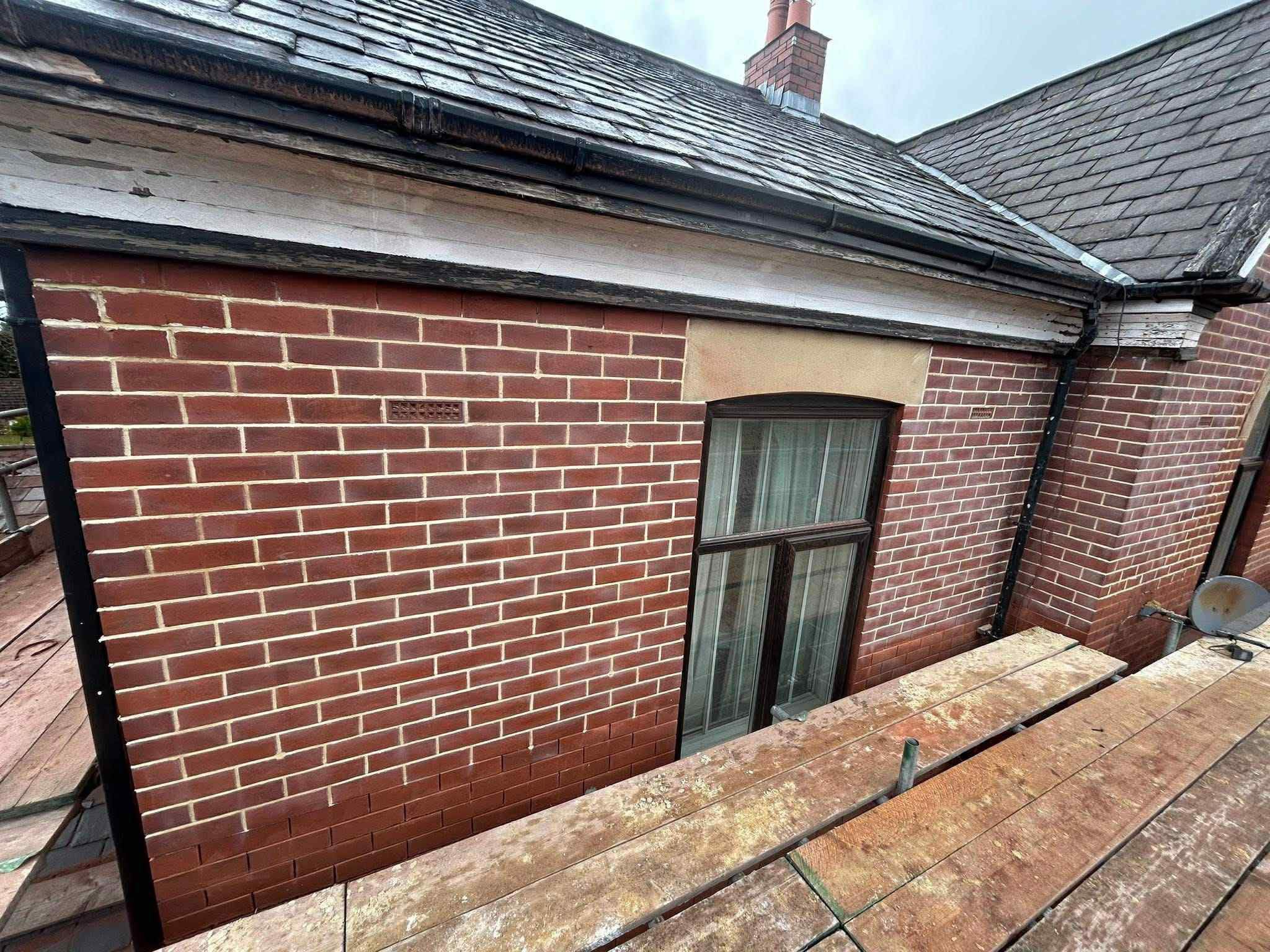
WHY CHIMNEY MAINTENANCE MATTERS
The chimney stack projects above the roofline into wind, rain and the full effect of freeze-thaw cycles year after year. Even where the fireplace below is no longer in use, a deteriorating chimney remains a source of water ingress, mortar debris in gutters, and in the worst cases, falling brickwork onto the roof or street below.
A significant proportion of internal damp callouts we attend trace back to a chimney that’s been neglected for a decade or more. Failed flaunching, cracked pots and perished mortar joints let water track straight down through the breast — and the cost of catching it early is consistently lower than the cost of repeatedly replastering a damp ceiling on the floor below.
WHAT WE CARRY OUT
From minor repointing through to full stack rebuilds, with lead flashing dressed correctly into the mortar joints as standard.

Renewal of failed mortar joints using sand and cement or lime mortar depending on the age and original specification of the property. Typically required every 20 to 30 years — sooner on exposed elevations.

The bed of mortar holding the pots in place is one of the first parts of a stack to fail. Renewal involves removing the existing flaunching, rebedding pots where serviceable, and finishing with a smooth-falling mortar to shed water cleanly.

Cracked, missing or inappropriate pots replaced — reclaimed where a match is needed on a conservation or period property. Disused pots can be capped, or replaced with vented covers to keep rainwater out while maintaining airflow.

Where damage is limited to the top courses of brickwork — often the result of failed flaunching allowing prolonged water ingress — partial rebuild is usually the most economical route. The stack is taken down to sound brickwork and rebuilt in matching brick and mortar, with existing pots rebedded or replaced as needed.

Where the entire stack is leaning, the brickwork is widely spalled, or movement extends below the roofline, a full rebuild is the appropriate course. The stack is dismantled to a sound base, rebuilt in matching brick and mortar, and finished with new flaunching, pots, cowls and lead flashing.
Where a chimney is no longer in use, the stack can be taken down to below the roofline and the opening battened, felted, tiled or slated to match the surrounding roof. Planning permission is checked first — particularly in conservation areas — before quoting.
Frost-damaged or spalled bricks are cut out and replaced with matching reclaimed or new bricks. Spalling left unaddressed accelerates further damage as water continues to penetrate the exposed faces.
Anti-downdraught, bird guard and rain cowls fitted where appropriate. The right cowl depends on the use of the flue beneath — incorrect selection can affect appliance performance, so we advise on the right setup for each chimney.
WHEN TO ACT
Early intervention is consistently cheaper than reactive work. If any of these are showing, a free site visit is advisable before the next prolonged spell of wet weather.
A clear four-stage process from initial inspection through to written sign-off — so you know what is being done, what it will cost, and what is guaranteed.
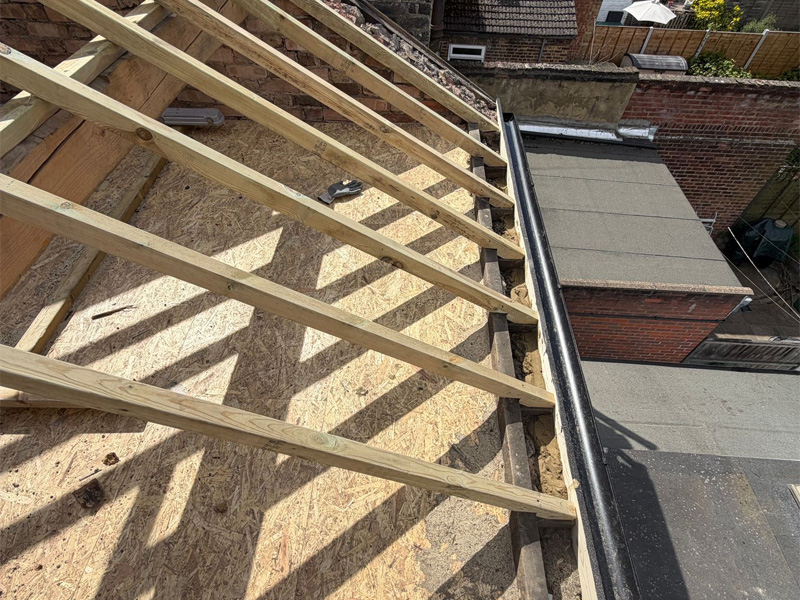
01
Access is gained safely to the chimney where conditions allow, or with a tower or scaffold where required. The condition of brickwork, mortar, flaunching, pots and flashing is recorded in full.
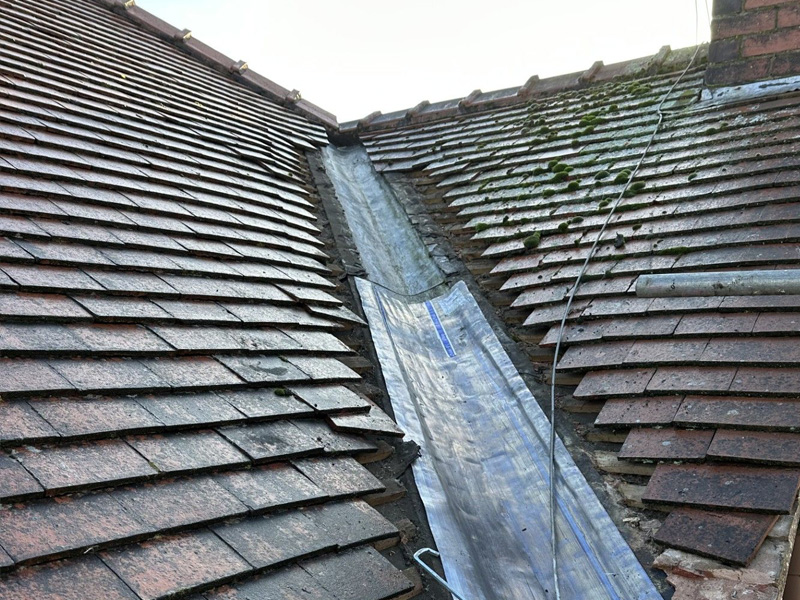
02
A written quotation is issued setting out scope, materials, lead specification, scaffold or tower access and labour. Where partial and full rebuild are both viable, both are priced so you can make an informed decision.
03
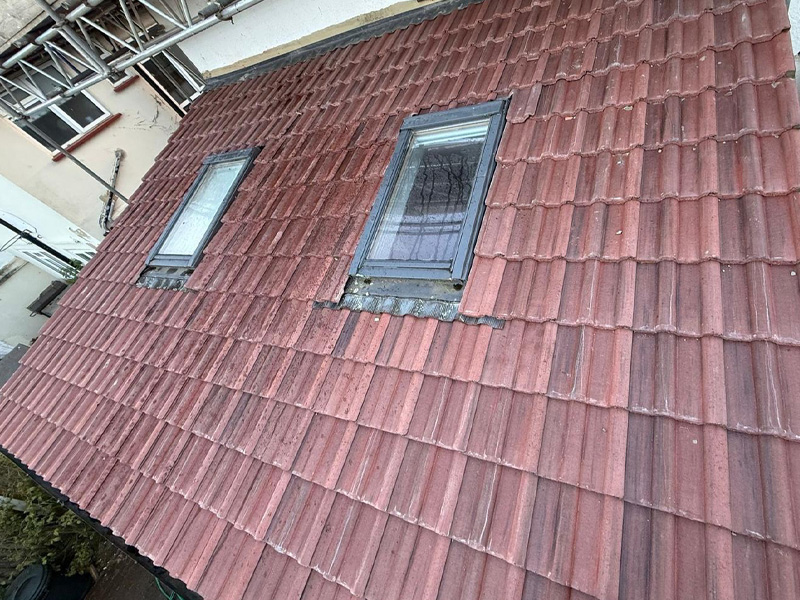
Scaffold or tower access is arranged and works commence on the date confirmed. Dismantling and rebuilding is carried out carefully to protect the surrounding roof, and the area is kept tidy throughout.
04
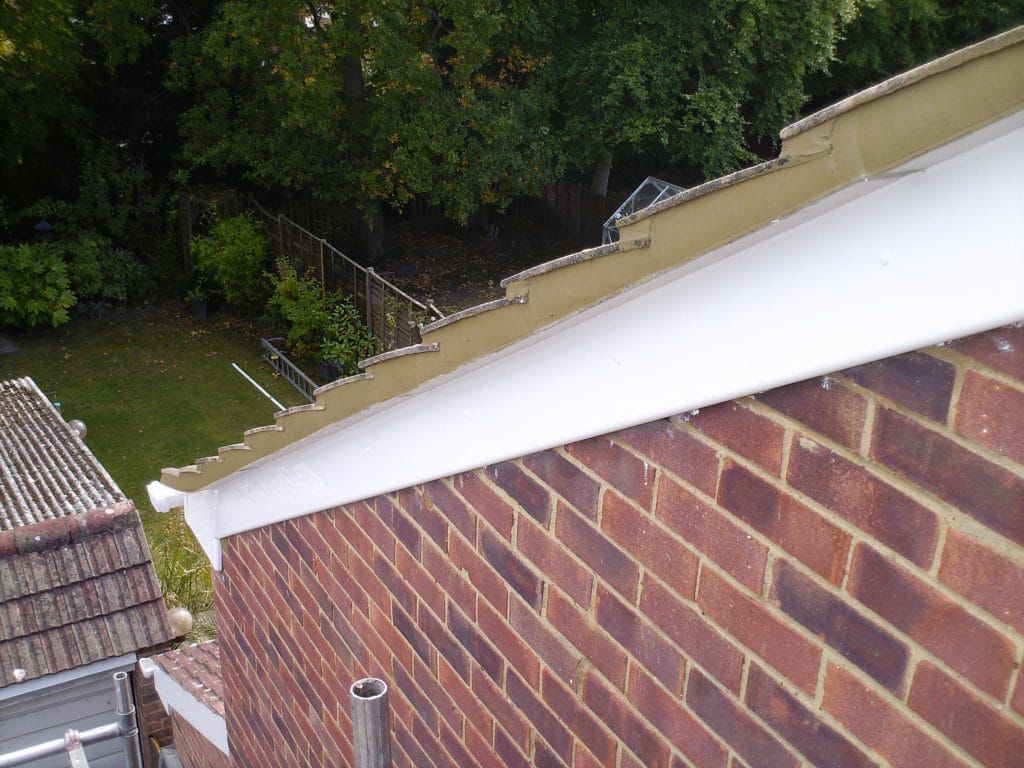
A final inspection is carried out with the client. Workmanship is guaranteed in writing, with properly executed brickwork and flaunching typically delivering several decades of service.
Chimney repairs and rebuilds are carried out across East London, North London and Essex — including Waltham Forest, Hackney, Haringey, Redbridge, Newham, Islington and Enfield, alongside postcodes throughout the E, N, IG and RM regions.
Answers to common questions about chimney repointing, flaunching, rebuilds, removal and our quoting process.
Repointing is typically required every 20 to 30 years, sooner on exposed elevations or properties subject to heavy driving rain. Inspection rather than time alone should drive the decision — once mortar joints are visibly cracked or recessed, water is already tracking into the brickwork behind.
Flaunching is the bed of mortar that holds the chimney pots in place at the top of the stack. Because it sits at the most exposed point of the roof and takes direct rainfall and freeze-thaw cycles, it is typically the first part of a chimney to crack. Once cracked, water enters the brickwork below and accelerates damage to the entire stack.
In many cases removal can be carried out under permitted development, but conservation areas, listed buildings and some local authority restrictions can require a formal application. We check the position for each property before quoting so there are no surprises later.
Yes — where damage is limited to the top courses, a partial rebuild from sound brickwork upwards is usually more economical. A full rebuild is only required where movement extends below the roofline, the stack is leaning, or the brickwork is widely spalled. Both options are priced where viable so you can make an informed choice.
Disused flues should either be capped to prevent water ingress, or fitted with vented covers that maintain airflow while keeping rain out. Sealing a flue completely without ventilation can cause condensation issues internally — vented capping is usually the right answer.
Code 4 and Code 5 lead flashing is replaced or refitted as standard during any chimney rebuild or major repair, dressed correctly into the mortar joints rather than relied on adhesive or mastic. Full detail on our lead approach is covered on our dedicated lead work page.
Yes — we provide photographic surveys and itemised reports suitable for insurer review, and liaise directly with assessors where this assists in moving the claim forward.
Yes — site visits and written quotations are free, with no obligation to proceed. Most chimney projects can be priced within a few working days of initial contact.
“Stack was leaning visibly against the neighbour’s after the last big storm. FNB had it down and rebuilt in matching brick within three days, with new flaunching, pots and lead flashing. Looks like the original. Proper job.”
M Carter
Walthamstow, E17
“Chimney pot blew off in the wind. Other roofers wanted a full rebuild — FNB inspected it properly and said the brickwork was sound, just needed new flaunching and the pot rebedded. Saved me a couple of grand. Honest people.”
S Begum
Leytonstone, E11
Free site visit, free written quotation, no obligation to proceed. Most chimney projects can be priced within a few working days of initial contact.
© FNB Roofing & Building 2026. All Rights Reserved.
another NewMediaFarm production
