East London
E1–E18
Waltham Forest, Hackney, Newham, Redbridge.
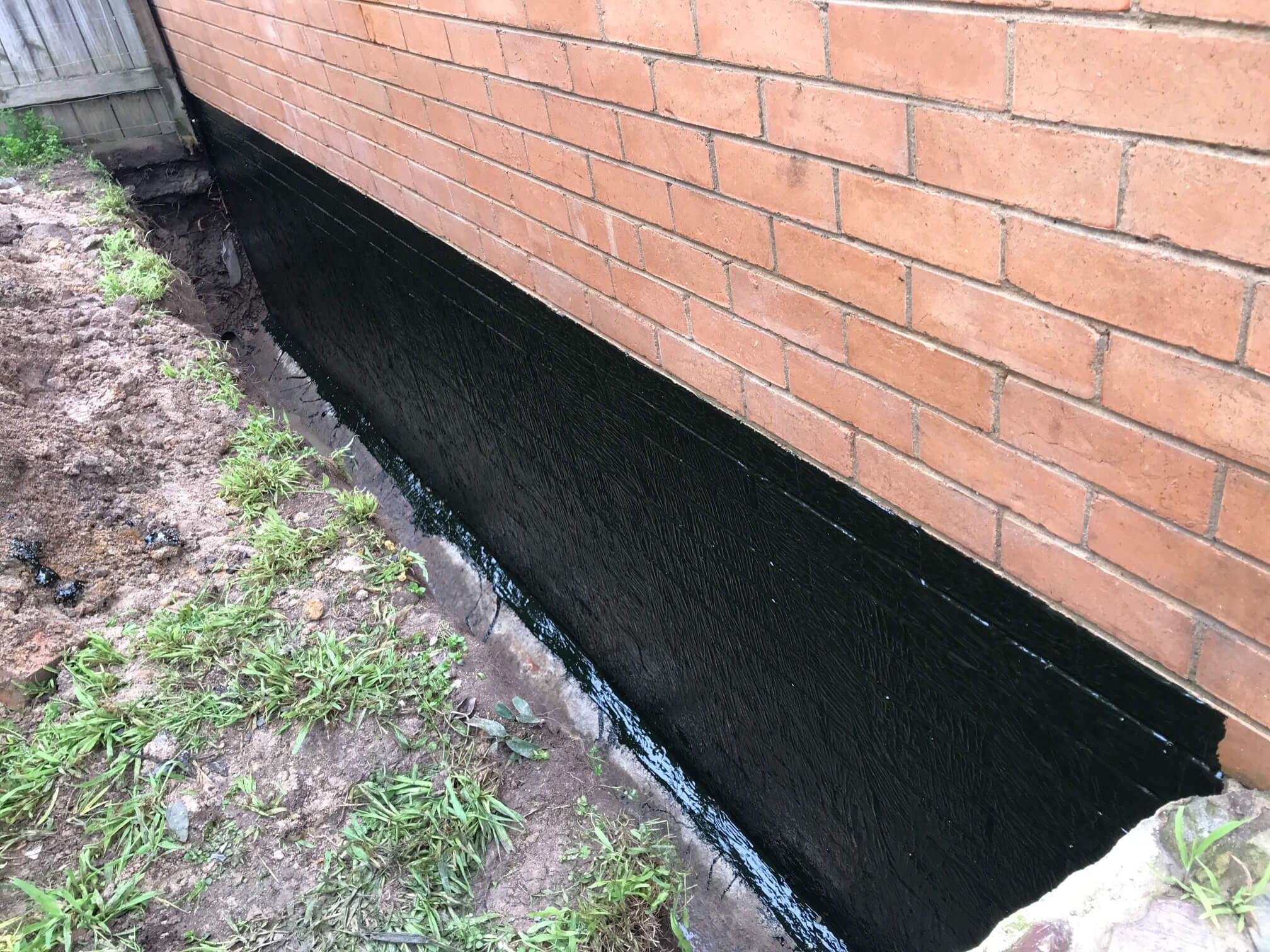
Diagnosis-led damp treatment for rising damp, penetrating damp, condensation and basement damp — delivered by our own tradesmen, backed by written workmanship guarantees and a 20–30 year material warranty on chemical DPCs.
DIAGNOSIS BEFORE TREATMENT
A patch of damp on an internal wall can have any number of root causes — failed pointing externally, a leaking gutter, condensation from inadequate ventilation, a missing or breached damp proof course, a buried downpipe, or simply a tide-line of moisture rising through old masonry. Treating the symptom without identifying the cause produces short-term relief at best, and a more expensive eventual repair at worst.
FNB Roofing And Building provides damp proofing and remedial damp treatment across East London, North London and Essex, with diagnosis carried out before any treatment is specified.
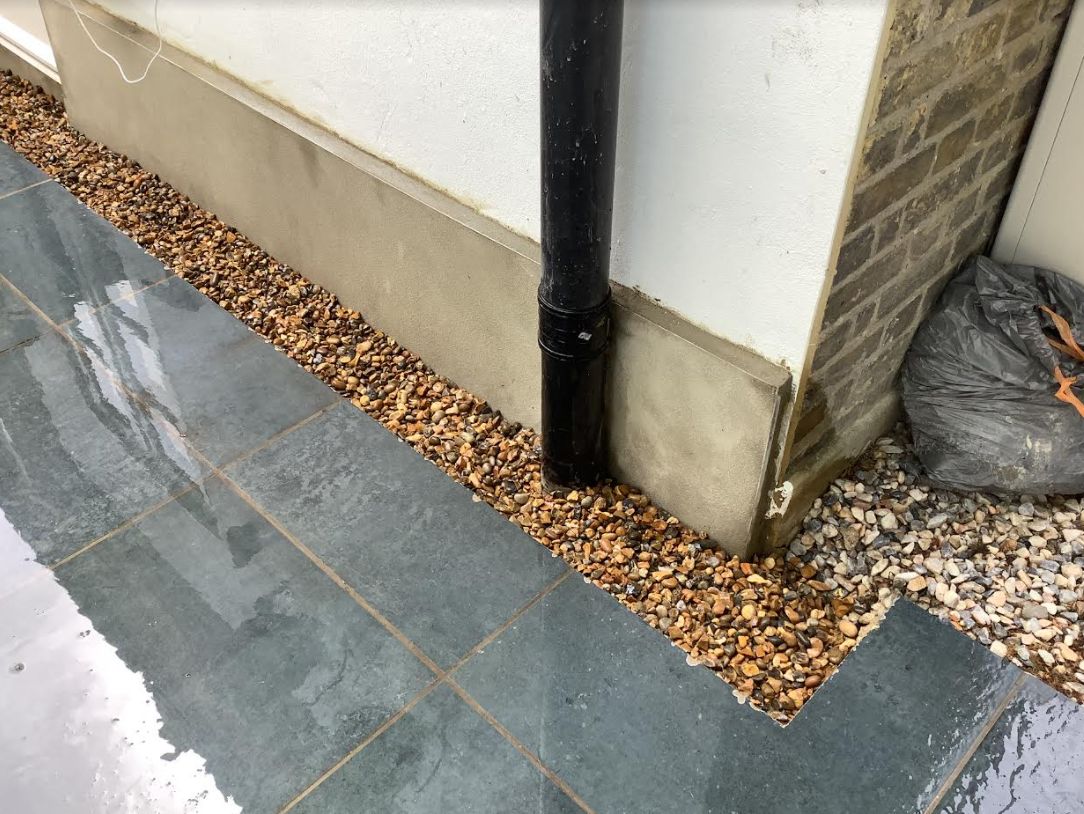
Each cause demands a different remedy. We diagnose first, then specify the right treatment — not a generic fix-all.

01 · GROUNDWATER RISING THROUGH MASONRY
Caused by groundwater drawing up through porous brick and mortar where the original damp proof course has failed, been bridged, or was never installed. Typical signs are a tide line of staining at low level on internal walls, peeling wallpaper or paint, salt deposits efflorescing on the surface, and a persistent musty smell. Treatment involves installation of a chemical damp proof course by injection, followed where necessary by removal and replacement of salt-contaminated plaster.
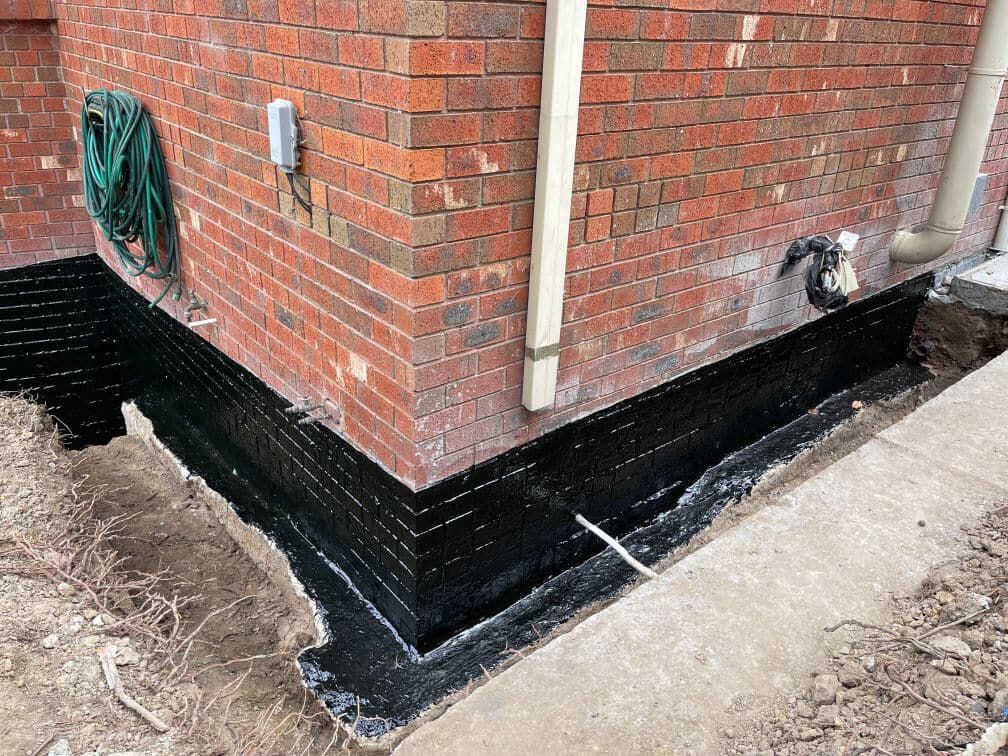
02 · WATER INGRESS THROUGH EXTERNAL FABRIC
Caused by water entering the property through the external fabric — most commonly via failed mortar joints, cracked render, damaged roof coverings, blocked or leaking gutters, or perished window seals. Treatment requires the external defect to be addressed first, with internal remedial work carried out only once the source is stopped.

03 · MOISTURE & VENTILATION ISSUES
The most common damp problem in modern airtight homes, caused by warm moisture-laden internal air condensing on cold surfaces. Black mould growth typically follows. Treatment is ventilation-led — extractor fans, passive vents, or PIV (Positive Input Ventilation) units — combined with mould treatment and, where useful, anti-condensation paint or insulation upgrades.
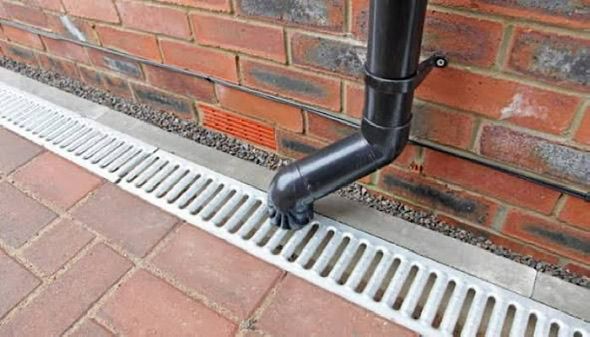
04 · BELOW-GROUND WATERPROOFING
Damp in below-ground rooms is a different problem to ground-floor damp and requires either tanking (a waterproof slurry coating applied to walls and floors) or a cavity drainage membrane system feeding to a sump and pump. We provide both options depending on the property and intended use of the space.
05 · CHEMICAL DPC INSTALLATION
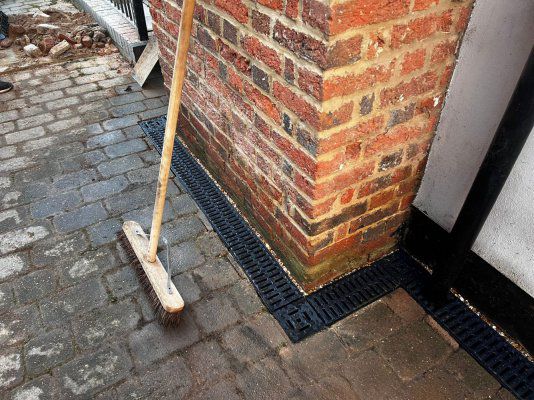
Where an original DPC has failed, been bridged by raised external ground level, or was never installed, a chemical injection DPC is the standard remedy. A water-repellent cream or fluid is introduced into a series of drilled holes along the bed joint at low level, forming a continuous barrier against rising moisture.

06 · SALT-CONTAMINATED PLASTER REMOVAL
Wall plaster contaminated by salts drawn up during a rising damp event will continue to attract moisture even after the DPC is installed. Removal of the affected plaster, application of salt retardant additive, and replastering in a controlled mix is essential for a lasting result.
THE COST OF GETTING THE DIAGNOSIS WRONG
A significant proportion of the damp work we are called to inspect has been previously treated, often more than once, without the underlying cause being addressed. Common examples include a “rising damp” diagnosis on a wall where the actual cause turned out to be a broken downpipe behind the rendered façade, or a “penetrating damp” treatment on a wall where condensation from a poorly ventilated bathroom was the real issue. Honest diagnosis costs nothing more than the time of the surveyor and prevents wasted spend on the wrong treatment.
Each project follows a clear four-stage process — designed to keep you fully informed from initial inspection through to final sign-off.
01
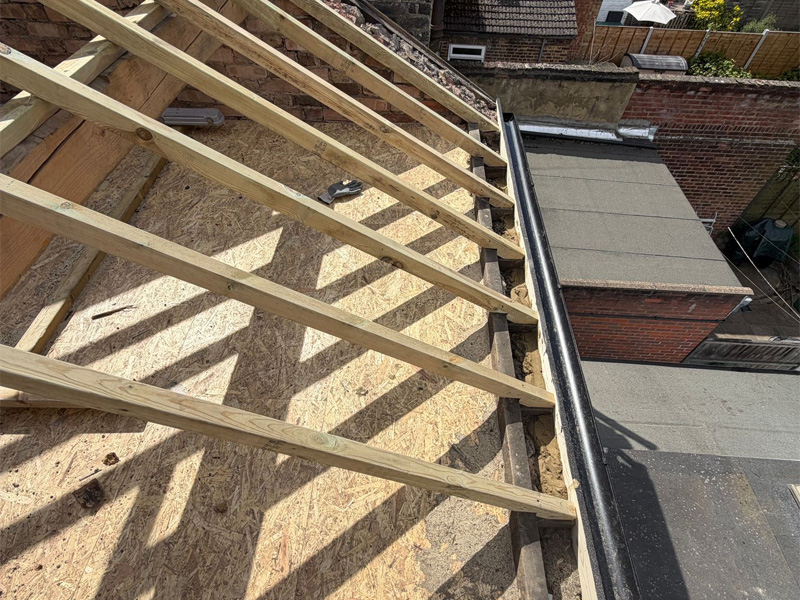
A site visit is arranged. The affected areas are inspected using moisture meters, the external fabric is examined for any obvious source of penetrating damp, ventilation is reviewed where condensation is suspected, and a clear diagnosis of the cause is reached.
02
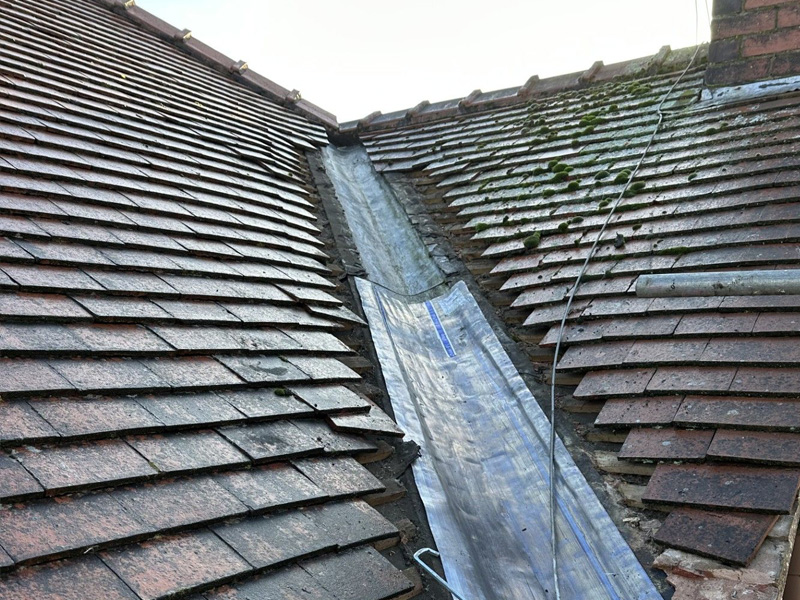
A written report sets out the diagnosis, the recommended treatment and the cost. Where multiple causes are at play — for example, both penetrating damp and condensation — each is addressed separately in the proposal.
03
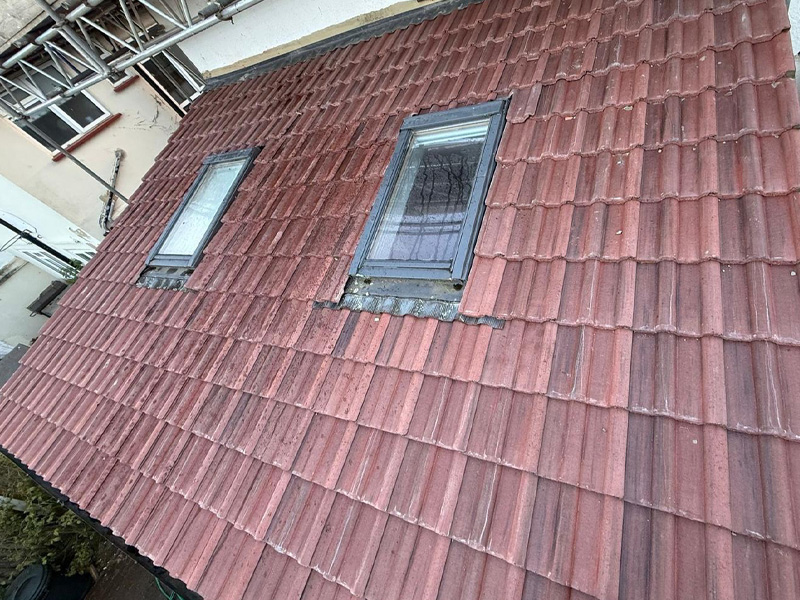
Treatment is carried out by our own tradesmen. External repairs are completed first where penetrating damp is involved. Chemical DPC injection, tanking, replastering and ventilation works are then carried out in the appropriate sequence.
04
A final inspection is carried out with the client. Workmanship is guaranteed in writing, with chemical DPC treatments typically backed by a 20 to 30 year material warranty in addition.
Chemical DPC treatments are backed by long-term manufacturer warranty in addition to our written workmanship guarantee.
Moisture meters, external inspection and ventilation review — root cause identified before any treatment is specified.
Surveyor, plasterer and damp specialist — every discipline delivered by our own team from Walthamstow. £1m public liability insured.
COVERAGE FROM WALTHAMSTOW
Damp proofing and remedial damp treatment is carried out across East London, North London and Essex, including Waltham Forest, Hackney, Haringey, Redbridge, Newham, Islington, Enfield and the surrounding boroughs, alongside postcodes throughout the E, N, IG and RM regions.
Answers to common questions about our damp proofing surveys, treatments and guarantees across East London, North London and Essex.
Yes — the initial site visit and damp survey is completely free. There is no charge for the visit, no obligation to proceed, and an honest diagnosis is provided either way.
Diagnosis is carried out using moisture meters on internal walls combined with a careful inspection of the external fabric. Rising damp typically shows a tide line at low level with salt efflorescence; penetrating damp tends to follow a pattern linked to a specific external defect such as a leaking gutter, cracked render or perished pointing. Where condensation is suspected, ventilation and surface temperature are also assessed.
Workmanship is guaranteed in writing. Chemical damp proof course treatments are typically backed by a 20 to 30 year material warranty from the product manufacturer in addition.
In most cases, yes. Wall plaster contaminated by salts drawn up during a rising damp event will continue to attract moisture even after the DPC is installed. Removal of the affected plaster, application of a salt retardant additive and replastering in a controlled mix is essential for a lasting result.
Yes. Below-ground damp requires a different approach to ground-floor damp — either tanking (a waterproof slurry coating applied to walls and floors) or a cavity drainage membrane system feeding to a sump and pump. The right option depends on the property and the intended use of the space.
Yes — every project is covered by £1 million of public liability insurance as standard.
Contact us to arrange a free site visit and damp inspection. No charge for the visit, no obligation to proceed, and an honest diagnosis provided either way.

© FNB Roofing & Building 2026. All Rights Reserved.
another NewMediaFarm production
