UPVC ROOFLINE SPECIALISTS

UPVC Fascias, Soffits, Cladding & Bargeboards

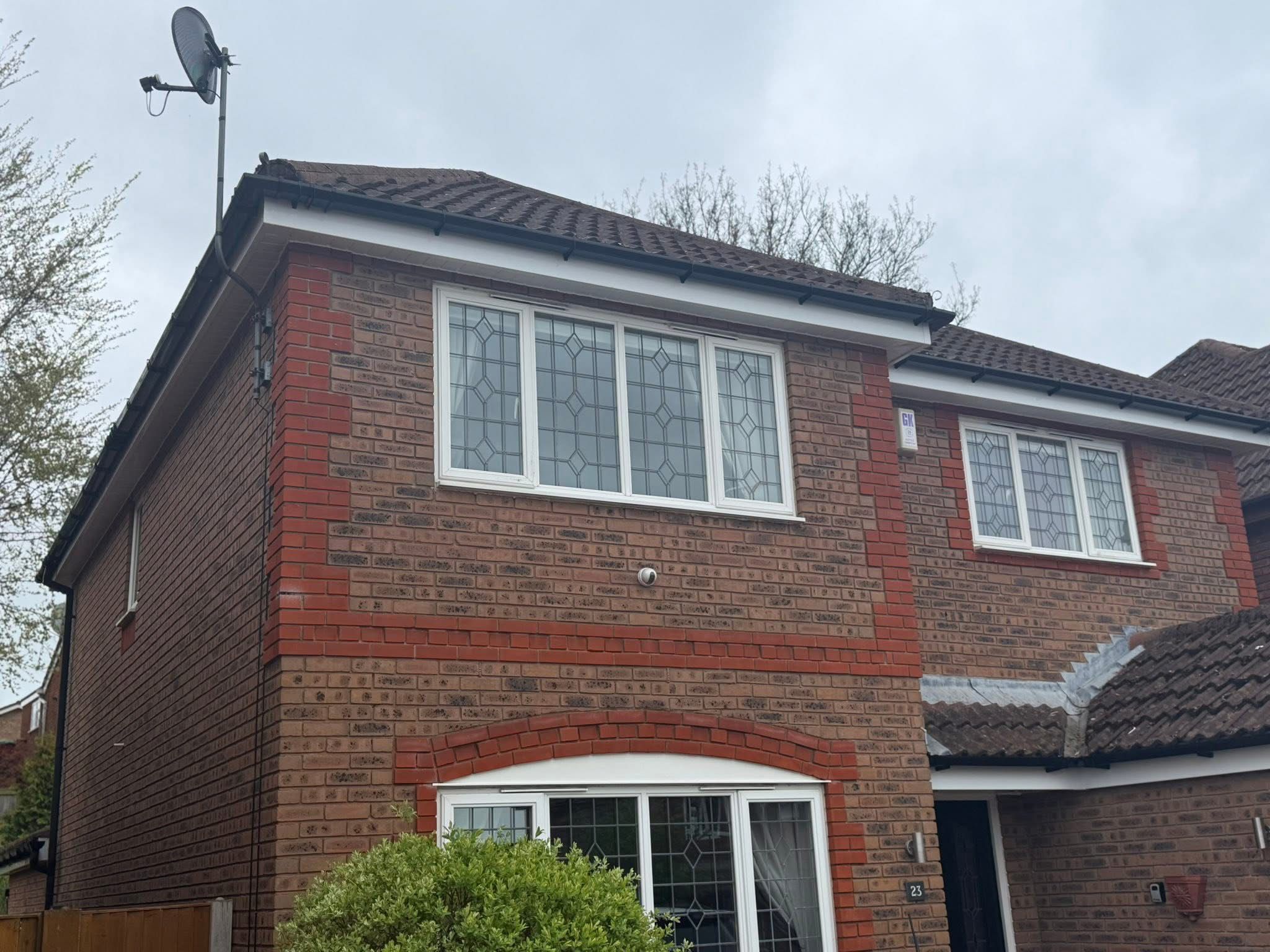
Fascia Replacement

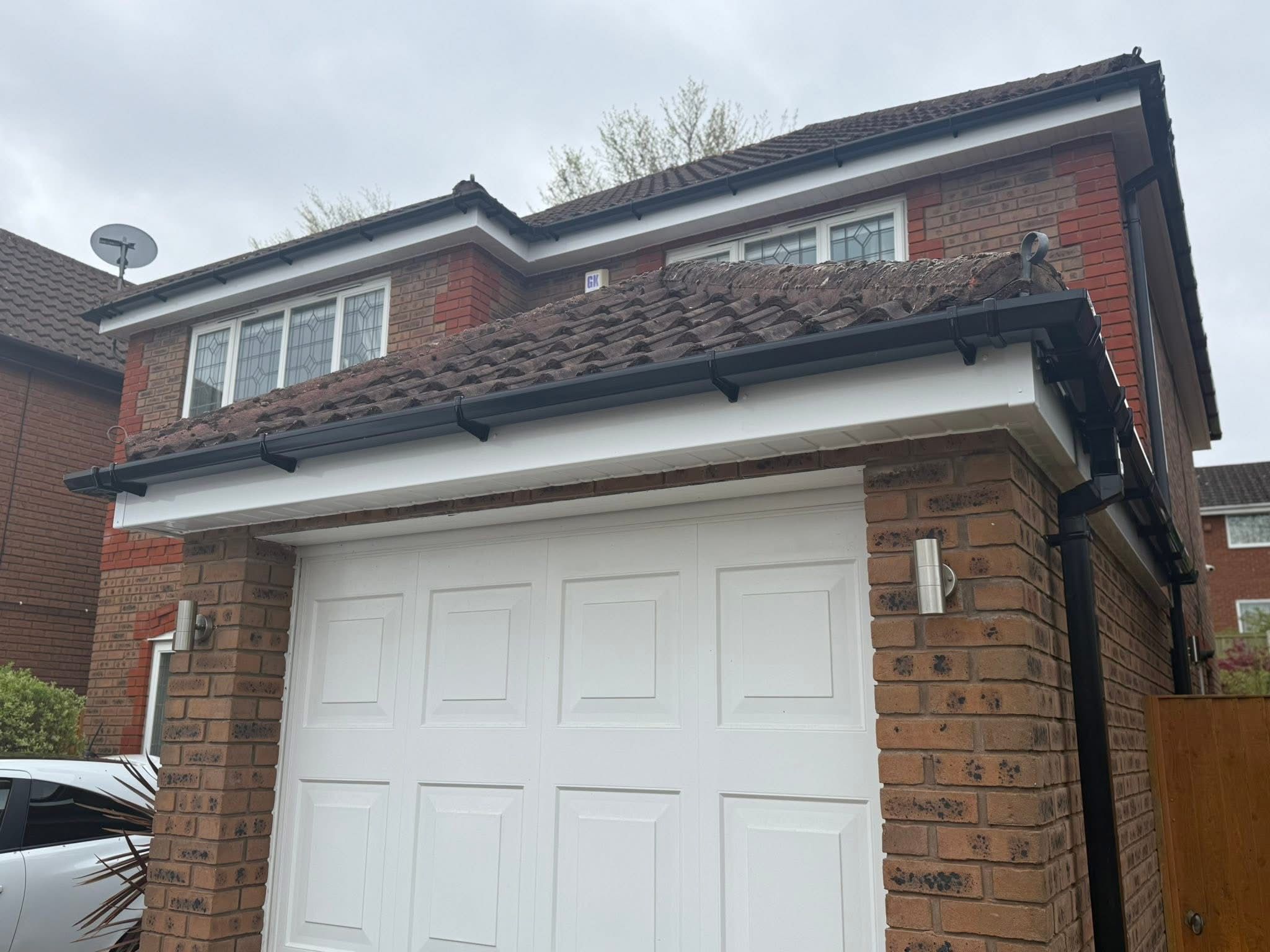
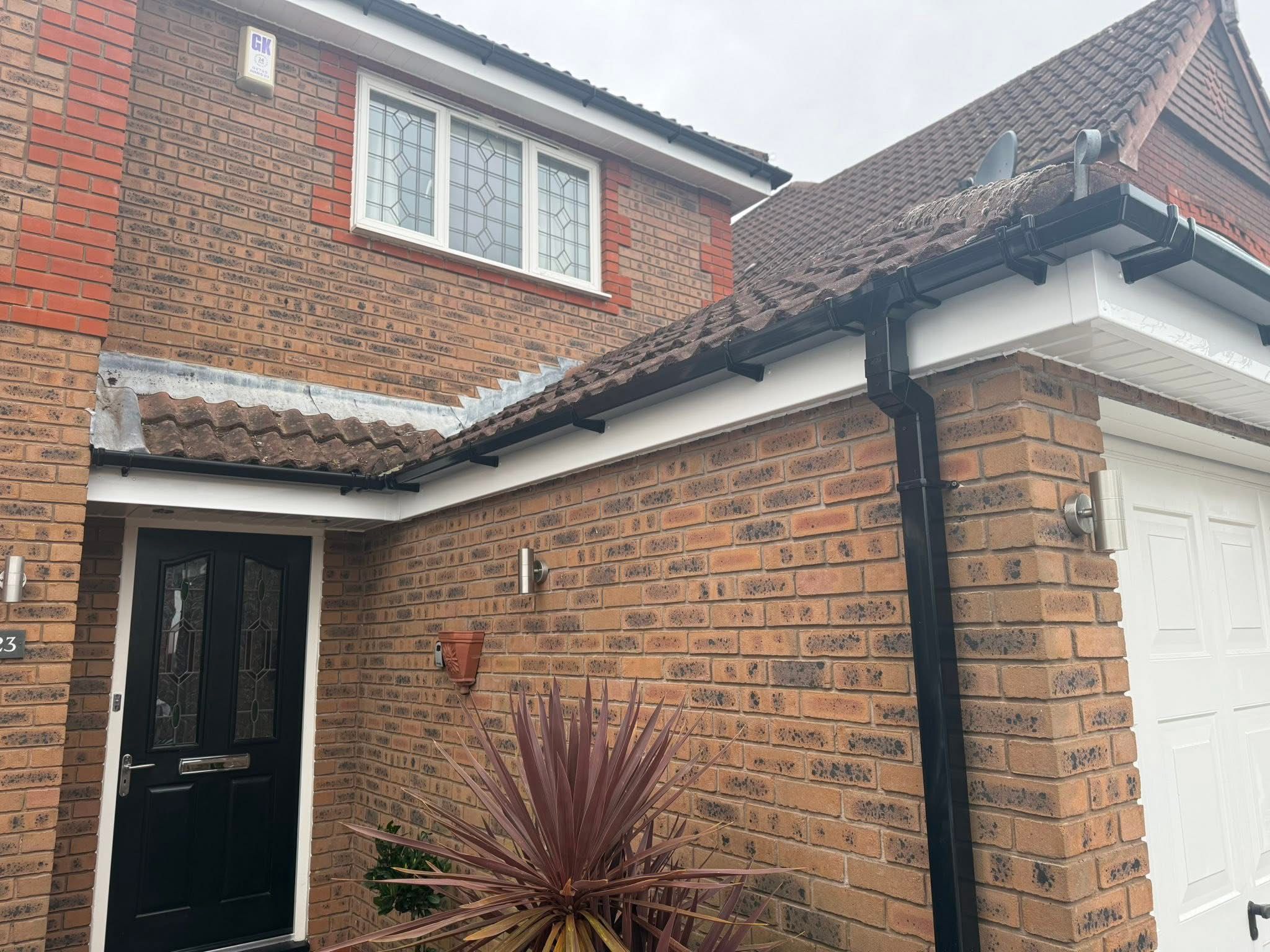
Full replacement of timber or older UPVC fascia boards with current 18mm to 22mm UPVC, fixed directly to the rafter ends using stainless steel plastic-headed nails. White, black, anthracite grey, rosewood, light oak and other standard finishes available.

Soffit Installation

Boards running underneath the eaves overhang, fitted with continuous strip ventilation or disc vents as required by Building Regulations to allow the roof void to breathe. Solid and hollow soffit profiles available depending on span.

Cladding & Capping

Where existing timber is structurally sound but in poor cosmetic condition, capping with UPVC over the original timber is a cost-effective alternative to full replacement. Only used where the underlying timber is genuinely sound — never over rotten wood.

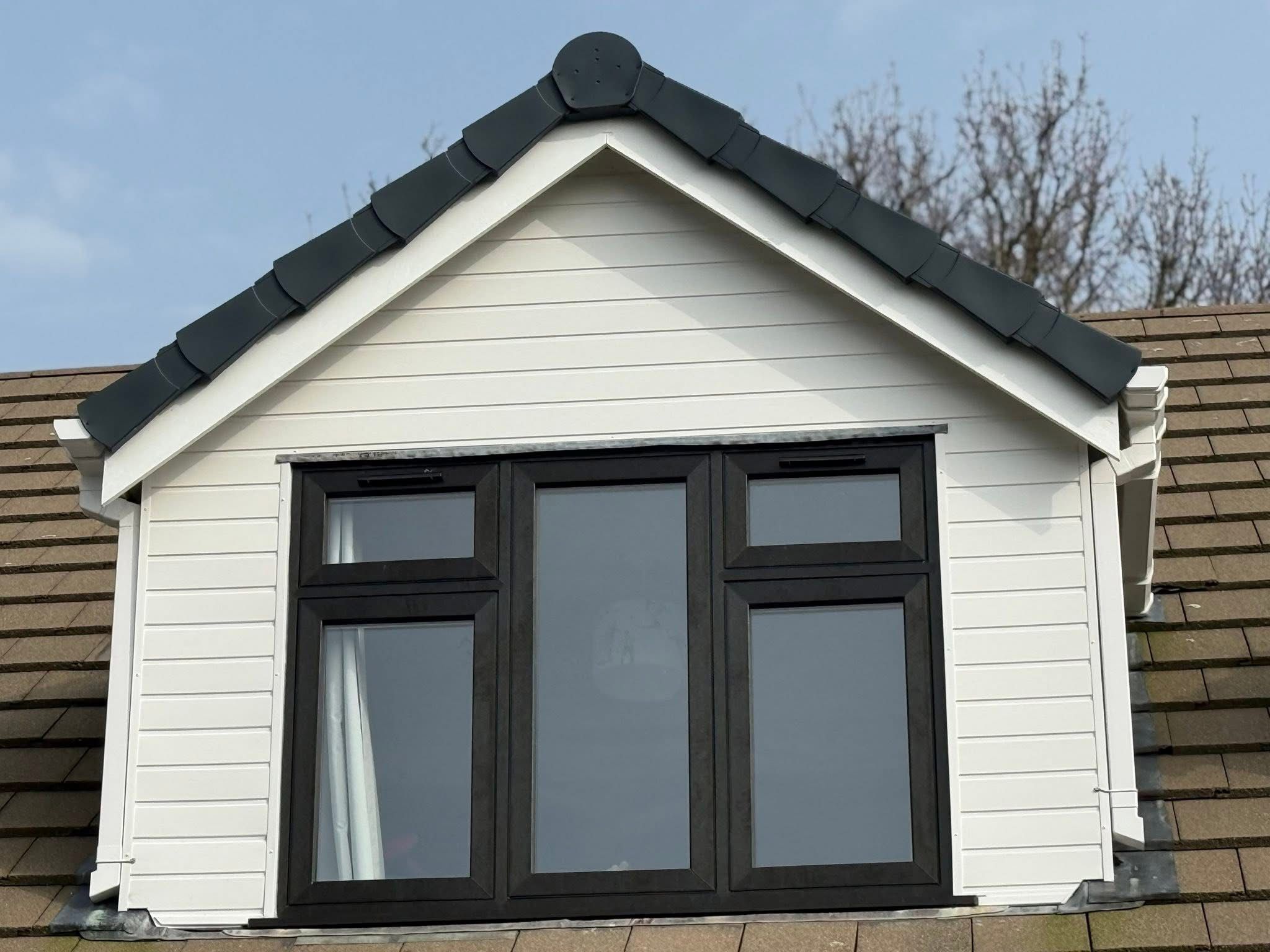
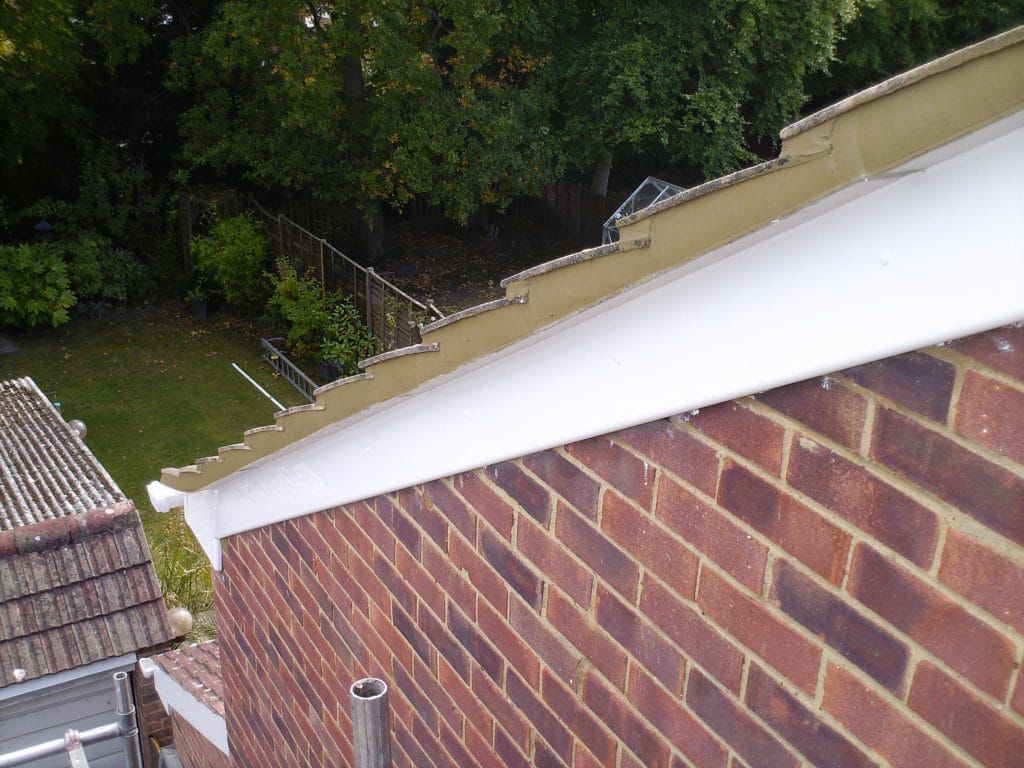
Bargeboard Replacement

The angled boards at the gable ends of a pitched roof take the most weather exposure of any roofline element and are typically the first to fail. Full replacement in matching profile is straightforward and dramatically reduces long-term maintenance.

Box Ends & Verge Detail

Replacement of boxed-in verges at the gable ends, including dry verge installation where appropriate to replace failing mortar bedding on verge tiles — eliminating the slipped-tile risk that comes with mortar-only fixing.

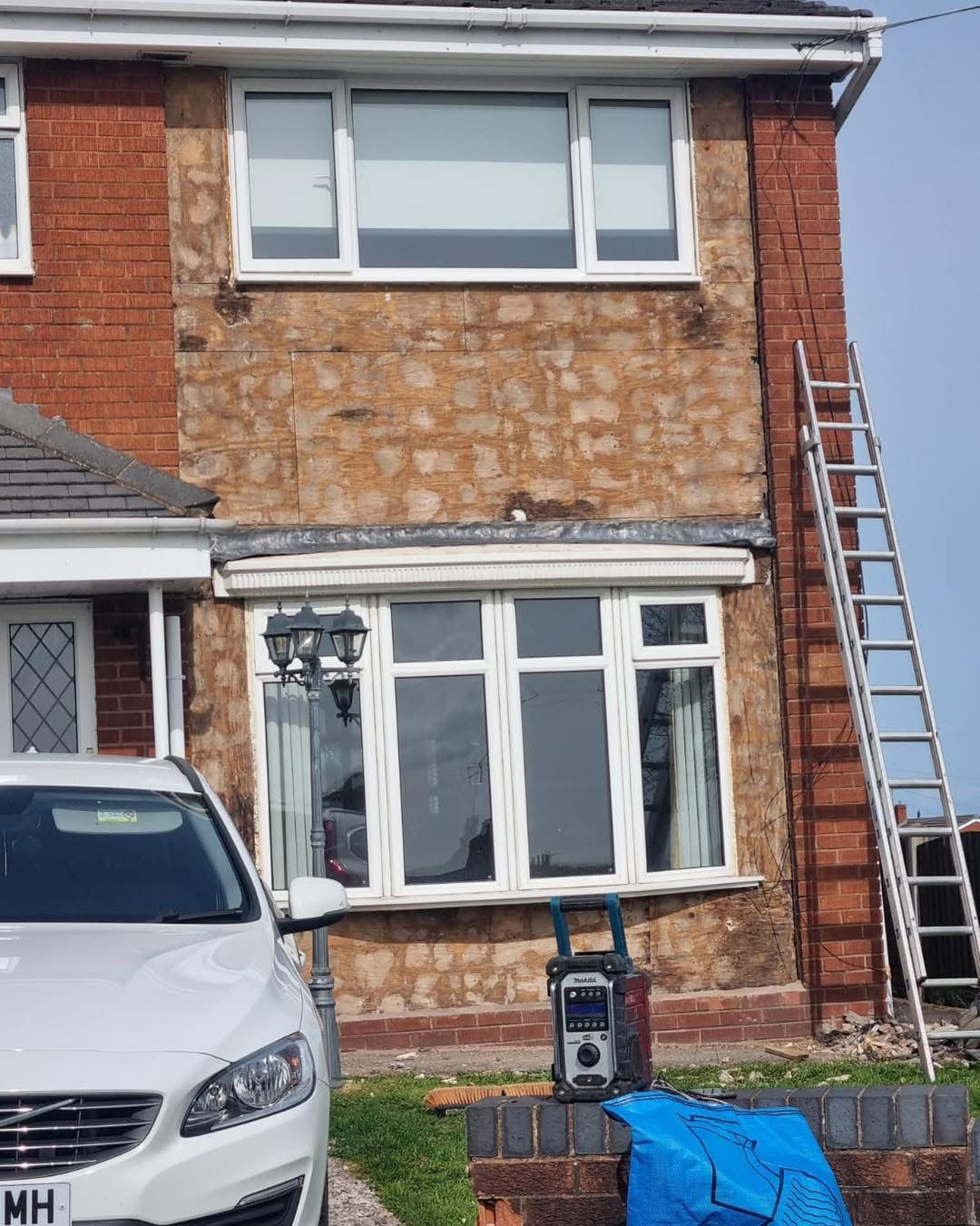
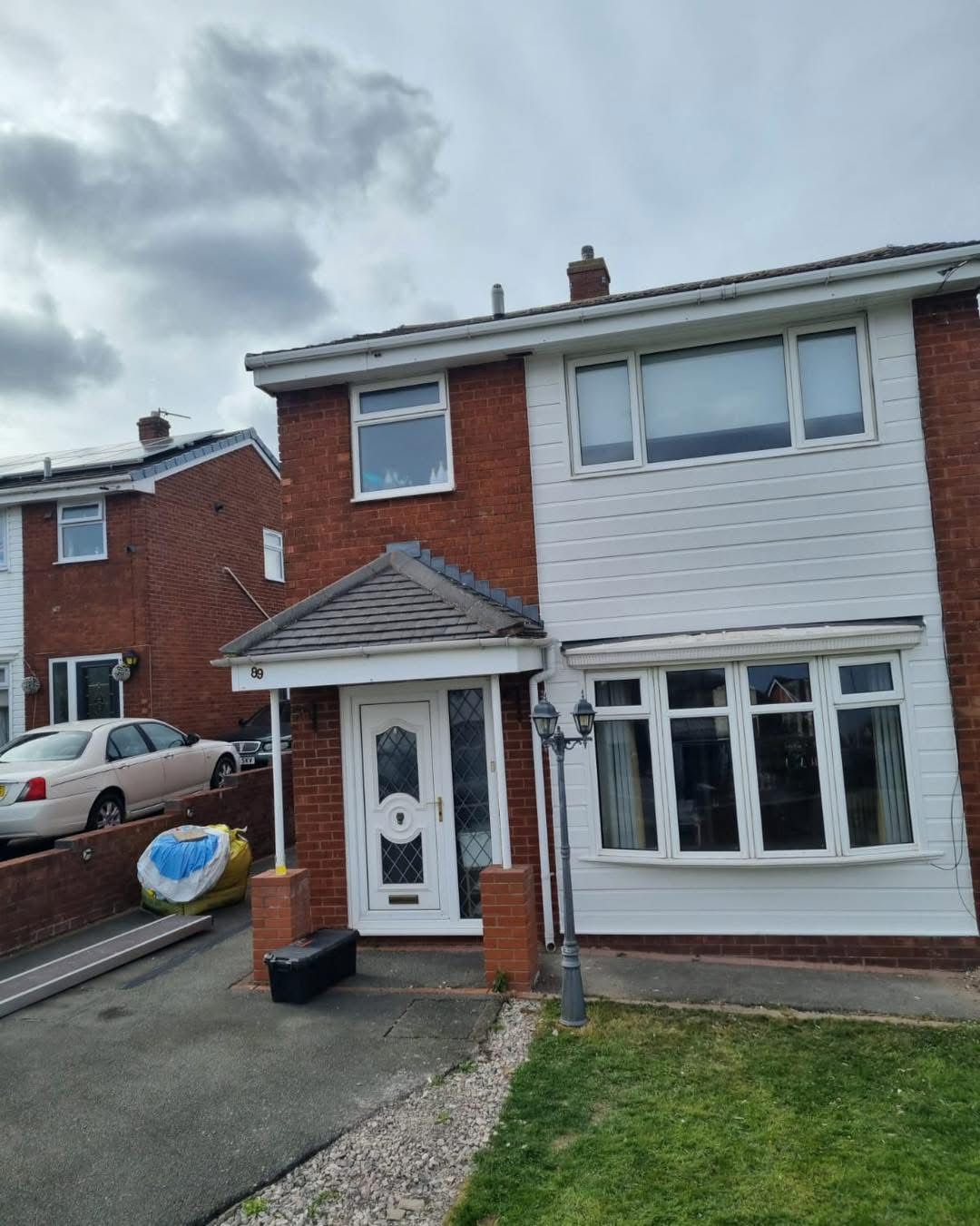
External Cladding

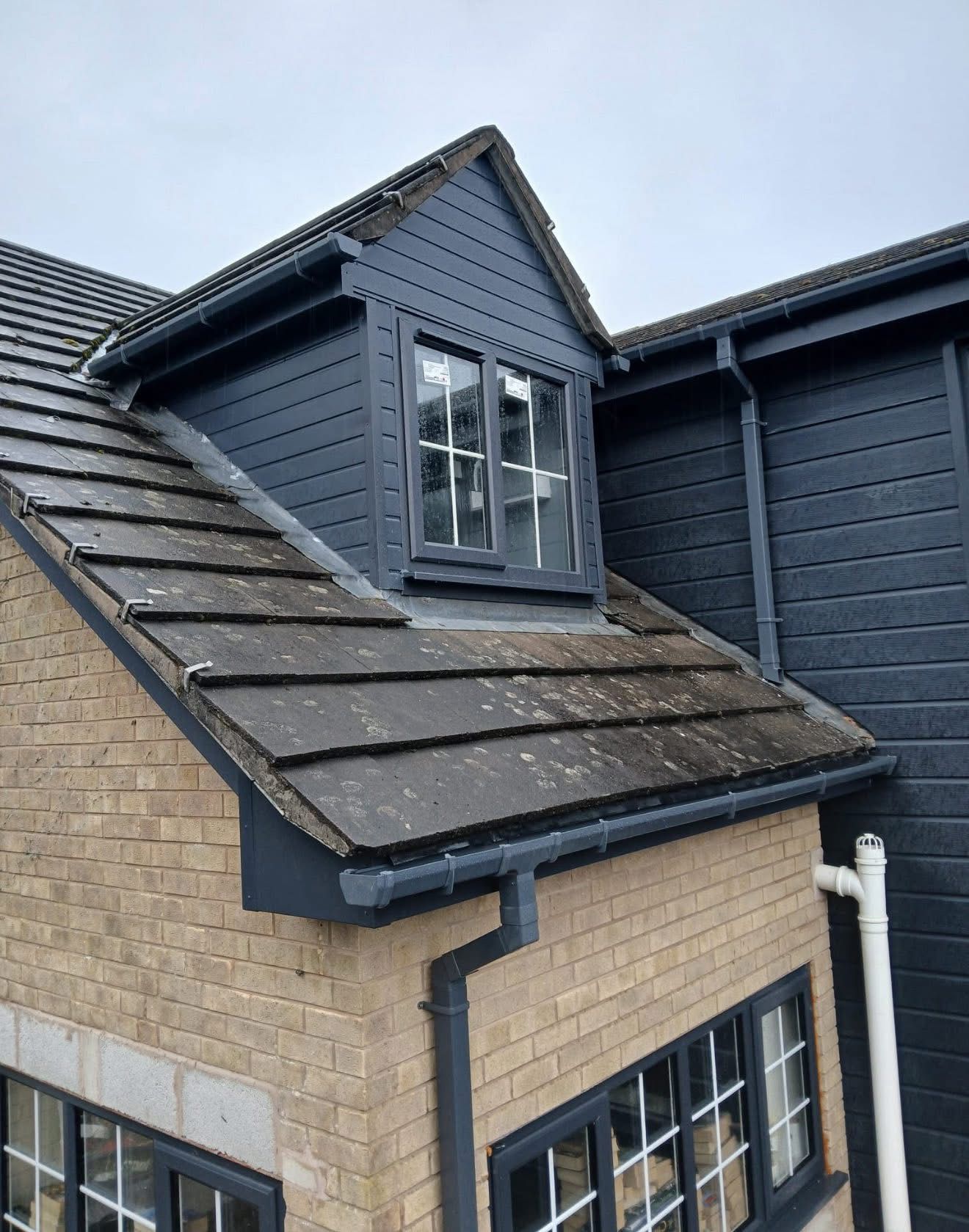
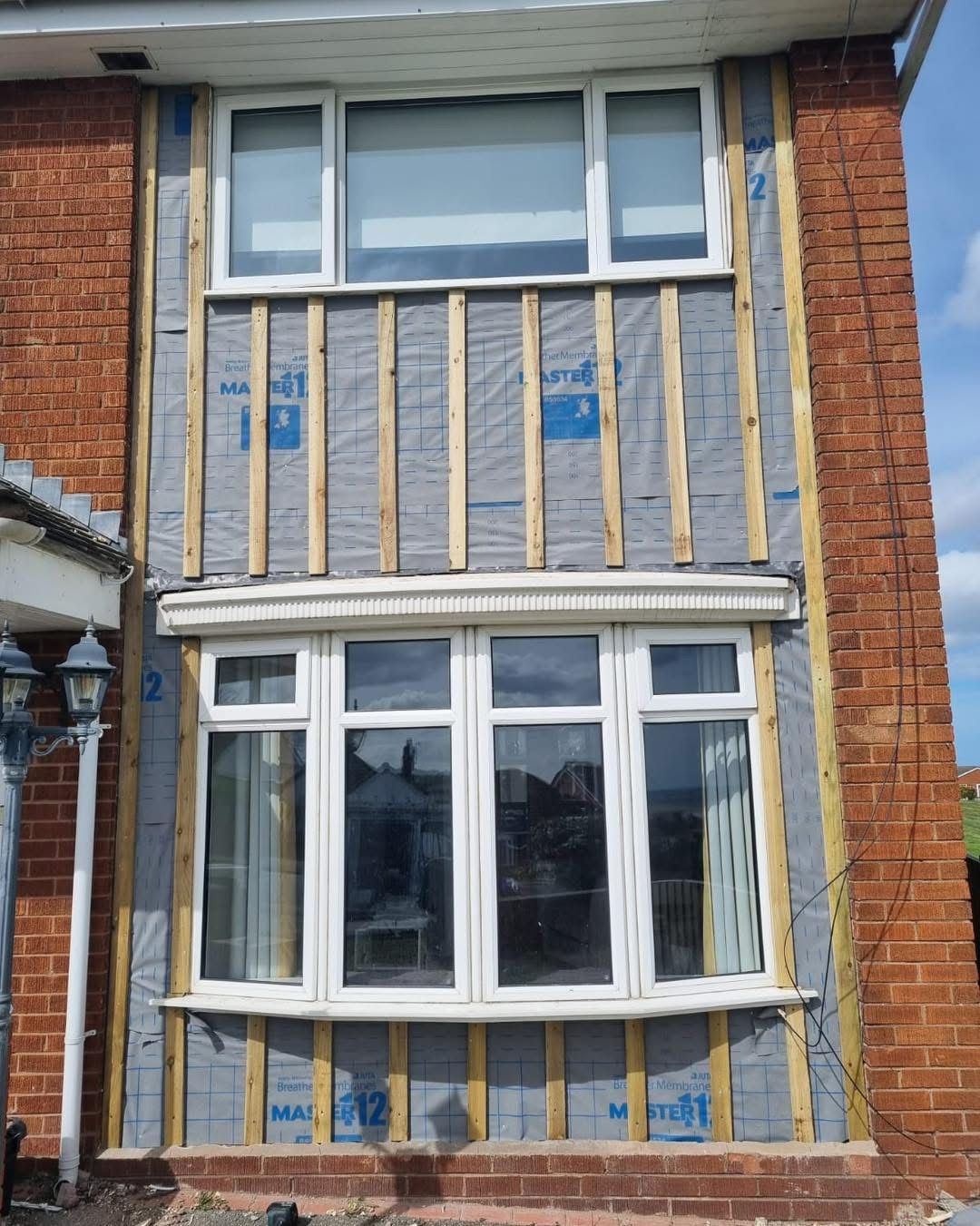
UPVC cladding for upper-storey gable walls and dormer cheeks, providing a maintenance-free, weather-resistant finish that does not require regular repainting and outlasts traditional render or timber alternatives.

Full Replacement

When it’s the right call: the boards are visibly rotted, soft to touch, or have failed at the rafter ends. Capping over decay simply hides the problem — the underlying timber will continue to fail beneath the new UPVC and eventually compromise the fixings.

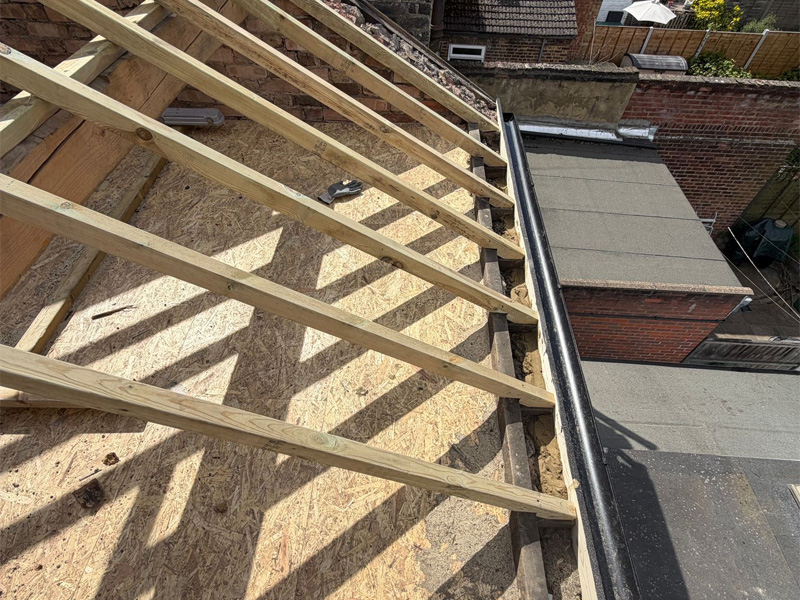
Full replacement includes strip-out, rafter end inspection, timber repairs where needed, eaves felt or protection tray, and new UPVC fascia, soffit and bargeboard fitted to the chosen profile.

Cap-Over Option

When it’s appropriate: the timber is genuinely sound, properly ventilated, and only the painted finish has failed. In that case, capping with UPVC over the original boards is a sensible, cost-effective alternative to full replacement.

Where we cap, the same maintenance-free finish is achieved at a fraction of the disruption — no scaffold lifts on the tile course, no eaves disturbance. We’ll only recommend capping if the timber actually supports it.


Tile or Slate LiftCareful removal of the first row of tiles or slates for clean access to the eaves detail.


Strip-Out of Existing BoardsFull removal of existing fascia, soffit and bargeboard, with waste taken offsite — no skip needed.


Rafter End InspectionInspection of rafter ends, with timber repairs included where rot is identified during strip-out.


Eaves Felt or Protection TrayReplacement of the eaves felt or installation of a rigid eaves protection tray, restoring the drip detail into the gutter.


New UPVC to Chosen ProfileFitting of new UPVC fascia, soffit, bargeboard and cladding in your chosen colour and finish — white, black, anthracite, woodgrain.


Continuous VentilationStrip vent or disc vent specification to current Building Regulations — preventing condensation, mould and degraded insulation.


Tile Refit & Gutter ReinstatementRefitting of the disturbed tile or slate course, with new UPVC guttering and downpipes where required.


Full Site Clean & Sign-OffComplete clean-up, removal of all waste, and final inspection with the client before sign-off.


5-Star Reviewed
Google & Trustatrader


£1m Public Liability
Insured as standard


Building Regs Vented
Approved Document F


Walthamstow Based
Local, not subcontracted
E1–E18 East London
N1–N22 North London
IG Ilford
RM Romford
Walthamstow E17
Hackney E8
Haringey N8
Islington N1
Enfield EN
Redbridge IG

Should I fully replace timber fascias or cap over them with UPVC?

It depends entirely on the condition of the existing timber. Where the boards are visibly rotted, soft to touch, or have failed at the rafter ends, capping is not appropriate — the underlying decay will continue underneath the new UPVC and eventually compromise the fixings. Where the timber is sound and only the painted finish has failed, capping can be a sensible, cost-effective option. As part of every survey we give an honest assessment either way.

How long does a typical roofline replacement take?

Most domestic roofline replacements complete in two to four working days, weather permitting. Larger properties or those requiring rafter end repairs may take slightly longer. We programme works in advance so you know exactly when to expect the team on site.

Why is soffit ventilation important?

Modern Building Regulations require ventilation in the soffit at new-build stage, equivalent to a one-inch continuous gap along the perimeter. Roof spaces without adequate ventilation suffer condensation problems, which over time leads to mould growth, timber decay and degraded insulation performance. Every soffit installation we carry out incorporates either continuous strip ventilation or a regular pattern of disc vents.

What thickness of UPVC fascia do you fit?

We fit 18mm to 22mm UPVC fascia boards as standard, depending on the rafter spacing and load. Both thicknesses are fixed directly to the rafter ends using stainless steel plastic-headed nails — no exposed-steel fixings that can rust and stain the board.

What colours are available?

Standard finishes include white, black, anthracite grey, rosewood and light oak, with other woodgrain finishes available on request. The same colour can be carried through fascia, soffit, bargeboard and cladding for a consistent finish across the whole roofline.

Do you replace guttering at the same time?

Yes — most full roofline replacements include new UPVC guttering and downpipes, which is itemised separately on the quotation. Replacing the guttering at the same time as the fascia is significantly more cost-effective than doing it as a separate job later, as the scaffold and access are already in place.

What guarantee comes with the work?

Workmanship is guaranteed in writing. Manufacturer warranties on the UPVC products apply in addition, typically running between 10 and 20 years depending on the profile and finish chosen.

Is the survey and quotation free?

Yes — site surveys and written quotations are free, with no obligation to proceed. Most roofline projects can be priced within a few working days of initial contact.

Contact Us
FNB Roofing And Building